Understanding Electro Dry Needling: How it may support recovery
Are muscle tightness, ongoing pain or restricted movement stopping you from doing the things you enjoy? Electro dry needling is one of the evidence-informed techniques that may be used by an Osteopath or Myotherapist to help manage musculoskeletal pain and support improved movement.
At Rapid Recovery, we take an individualised approach to care. Following a comprehensive assessment, electro dry needling may be incorporated into your treatment plan alongside hands-on therapy, exercise prescription and rehabilitation strategies where it is clinically appropriate for your presentation and goals.
What is electro dry needling?
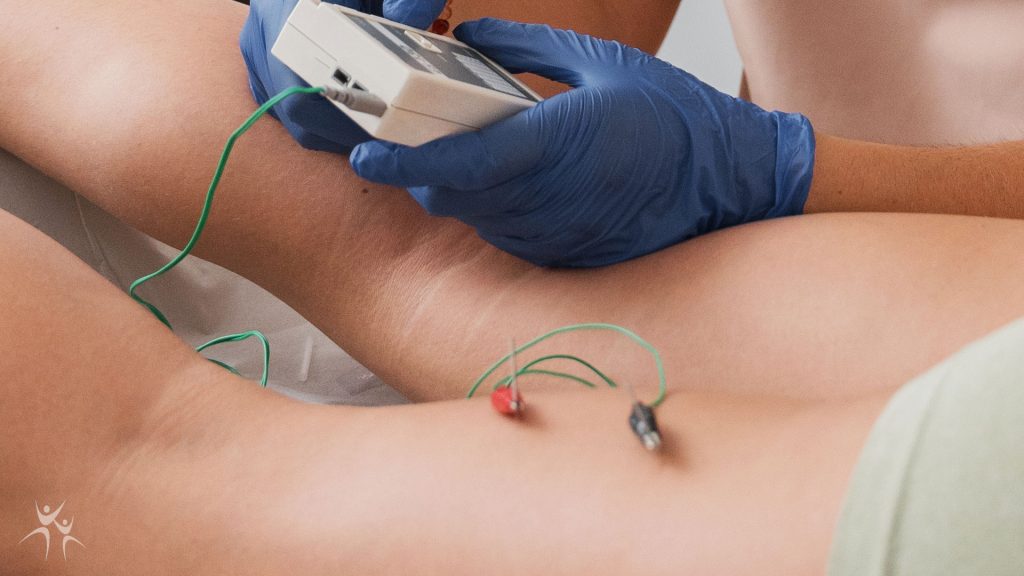
Electro dry needling combines traditional dry needling with gentle electrical stimulation delivered through fine, sterile acupuncture needles.
Once the needles are carefully inserted into selected muscles or myofascial trigger points, a specialised device delivers a low-frequency electrical current between the needles. This creates a mild pulsing or muscle contraction that can be adjusted throughout the treatment to ensure your comfort.
Unlike TENS (Transcutaneous Electrical Nerve Stimulation), which delivers electrical stimulation through adhesive pads placed on the skin, electro dry needling targets the muscle directly through the needle. This allows treatment to be focused on specific muscles and areas contributing to pain or movement restriction.
What's the difference between dry needling and electro dry needling?
Traditional dry needling involves inserting fine, sterile needles into muscles and myofascial trigger points to help address muscle tension and pain.
Electro dry needling uses the same technique but adds a gentle electrical current between selected needles. Depending on your condition, symptoms and treatment goals, your practitioner may recommend either dry needling or electro dry needling as part of your personalised treatment plan.
What is electro dry needling used for?
Electro dry needling may be recommended as part of a broader treatment plan for a range of musculoskeletal conditions. Rather than being used as a stand-alone treatment, it is typically combined with manual therapy, movement education, strengthening exercises and rehabilitation to help address the factors contributing to your symptoms.
Following a thorough assessment, your practitioner will determine whether electro dry needling is appropriate for your individual presentation.
Conditions where electro dry needling may be considered
Depending on your condition and clinical findings, electro dry needling may be used as part of the management of:
- Shoulder pain
- Neck pain and muscle tension
- Lower back pain
- Hip pain
- Tennis elbow
- Muscle strains
- Persistent muscle tightness
- Sports-related muscle soreness
- Myofascial pain
- Movement restrictions following injury
Not everyone is a suitable candidate for electro dry needling, and your practitioner will recommend alternative treatment options where appropriate.
Potential benefits of electro dry needling
Current evidence suggests electro dry needling may assist with managing musculoskeletal pain for some people when used as part of a comprehensive treatment plan. Depending on your condition, treatment may also help:
- Reduce muscle tension
- Support muscle function
- Improve movement and flexibility
- Assist you to participate more comfortably in rehabilitation exercises
- Support your overall recovery alongside exercise and manual therapy
As with all healthcare treatments, responses vary between individuals. Outcomes depend on factors such as your diagnosis, overall health, lifestyle, and participation in your rehabilitation program.
What does electro dry needling feel like?
Many people describe electro dry needling as producing a gentle pulsing, tapping or rhythmic muscle contraction within the treated muscle, although individual experiences vary.
The intensity is adjusted throughout the session to suit your comfort level, and your practitioner will check in with you regularly during treatment.
After treatment, it's common to experience mild muscle soreness for 24 to 48 hours, similar to how muscles may feel after exercise. This usually settles within a couple of days.
Is electro dry needling safe?
Electro dry needling is performed using single-use sterile needles by qualified practitioners who have undertaken additional training in dry needling techniques.
Before recommending treatment, your practitioner will complete a thorough assessment, discuss your medical history, current medications and any potential contraindications, and explain the procedure, including any potential risks and expected responses to treatment.
Electro dry needling is not suitable for everyone. If it isn't considered appropriate for your presentation, your practitioner will recommend alternative evidence-informed treatment options to support your recovery.
Is electro dry needling right for you?
Electro dry needling is one of many techniques that may be used to help manage musculoskeletal pain and improve movement. At Rapid Recovery, our focus is on understanding the underlying factors contributing to your symptoms and developing a personalised treatment plan that supports your goals.
Following a thorough assessment, your Osteopath or Myotherapist will discuss whether electro dry needling is an appropriate treatment option for your presentation and explain how it may fit into your broader rehabilitation program.
If you're experiencing muscle pain, ongoing tightness or reduced mobility, our team can assess your condition and develop an individualised treatment plan designed to help you move with greater confidence and get back to the activities that matter most.
Electro dry needling at Rapid Recovery
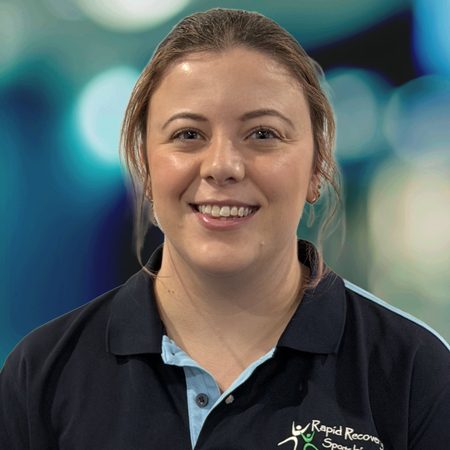
Electro dry needling is currently available exclusively with Osteopath Dr Stephanie Morstead at Rapid Recovery. Steph has undertaken additional training in electro dry needling and incorporates the technique, where clinically appropriate, as part of an individualised treatment plan tailored to each patient's presentation and goals.
If you're interested in learning whether electro dry needling may be suitable for you, book an assessment with Steph to discuss your symptoms and treatment options.