How can Dry Needling help? Benefits, what to expect & common questions
Dry needling is one of the treatments many people are curious about, but it's also one of the most misunderstood.
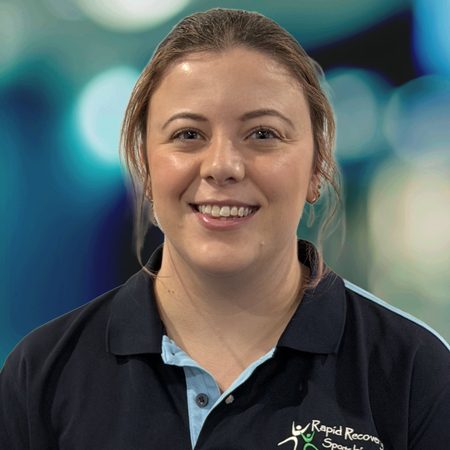
In this article, Dr Steph Morstead explains what dry needling is, how it works, what it may help with, what treatment feels like, and why it's often just one part of a personalised treatment plan.
If you've been dealing with persistent neck or back pain, muscle tightness, recurring headaches, or a sports injury that isn't improving, you may have heard about dry needling.
For some people, dry needling may help reduce muscle tension, improve movement and support recovery when used as part of an overall management plan. At Rapid Recovery, however, it is never viewed as a standalone treatment or a quick fix. Instead, it is one of several evidence-informed techniques your practitioner may use as part of an individualised treatment plan following a comprehensive assessment.
What is Dry Needling?
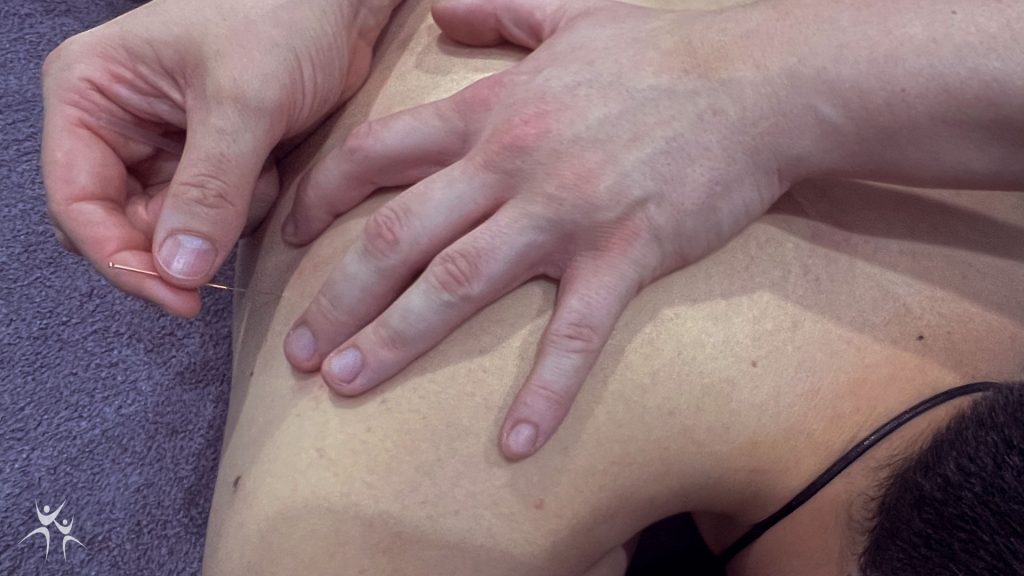
Dry needling involves inserting a very fine, sterile, single-use needle into specific muscles or soft tissues that may be contributing to pain, muscle tension or restricted movement.
Unlike injections, no medication or substance is delivered through the needle. The needle is used to stimulate targeted muscles or soft tissues, which is why the technique is known as dry needling.
The aim is to support muscle function, reduce muscle tension where appropriate and assist your body's natural recovery processes.
What conditions can Dry Needling help with?
Following a thorough assessment, your practitioner may recommend dry needling as part of your management plan for a range of musculoskeletal conditions, including:
- Neck pain
- Lower back pain
- Shoulder pain
- Hip and glute pain
- Sports and gym-related injuries
- Muscle strains
- Persistent muscle tightness
- Tendon-related pain
- Headaches where muscle tension may be contributing
Not every condition requires dry needling, and it isn't the most appropriate treatment for everyone. Every appointment begins with a comprehensive assessment to determine which treatment approach best suits your individual needs.
How does Dry Needling work?
Dry needling is thought to influence muscle activity and may assist in improving muscle function in some people.
Depending on your condition, it may help to:
- Reduce muscle tension
- Improve flexibility and movement
- Assist in managing musculoskeletal pain
- Support improved muscle function
- Complement rehabilitation alongside other treatments
Everyone responds differently to treatment. Your practitioner will discuss whether dry needling is likely to be an appropriate option based on your symptoms, assessment findings and recovery goals.
Does Dry Needling hurt?
This is one of the questions we're asked most often.
Most people find dry needling much more comfortable than they expect.
As the needle reaches the targeted muscle, you may feel a brief muscle twitch or a dull aching sensation. These responses are usually short-lived and are considered a normal reaction during treatment.
Afterwards, it's common to experience mild muscle soreness similar to what you might feel after a challenging workout. This typically settles within 24 to 48 hours.
Are there any side effects?
Most people experience only temporary muscle soreness after treatment.
Some people may also notice minor bruising, tenderness or fatigue following dry needling. These effects are generally mild and short-lived.
As with any healthcare treatment, there are potential risks and side effects. Before treatment begins, your practitioner will explain these, answer any questions you may have and obtain your informed consent before proceeding.
Is Dry Needling safe?
When performed by a suitably trained healthcare practitioner using sterile, single-use needles, dry needling is generally considered a safe procedure.
Dry needling isn't appropriate for everyone. Your practitioner will consider your medical history, current health, medications and individual circumstances before determining whether it is suitable for you.
Is Dry Needling the same as acupuncture?
Although both treatments use fine needles, they are based on different treatment philosophies.
Dry needling is based on Western anatomical and musculoskeletal principles and is used to target muscles and soft tissues that may be contributing to pain or movement restrictions. Acupuncture is based on Traditional Chinese Medicine and follows a different clinical framework.
Dry Needling is just one part of your recovery
At Rapid Recovery, our goal isn't simply to help reduce today's pain—it's to support your long-term movement, function and recovery.
When appropriate, dry needling may be combined with other treatments, including:
- Hands-on therapy
- Individualised rehabilitation exercises
- Strength and mobility programs
- Education about your condition
- Practical advice to support your recovery
By understanding what may be contributing to your symptoms, we can develop a management plan tailored to your body, lifestyle and goals.
Frequently asked questions
How many dry needling treatments will I need?
The number of treatments varies depending on your condition, symptoms and treatment goals. Your practitioner will discuss a treatment plan based on your individual assessment and monitor your progress over time.
Can I exercise after dry needling?
Many people can return to their usual activities following treatment. Depending on your condition, your practitioner may recommend modifying exercise for a short period or provide guidance on when to return to training.
Who is Dry Needling suitable for?
Dry needling may be appropriate for people experiencing a range of musculoskeletal conditions, but it isn't suitable for everyone. A thorough assessment helps determine whether it forms an appropriate part of your overall management plan.
Considering Dry Needling?
If you're wondering whether dry needling may be appropriate for your recovery, speak with one of our practitioners.
We'll explain your treatment options, answer your questions and discuss whether dry needling forms an appropriate part of your personalised management plan.