
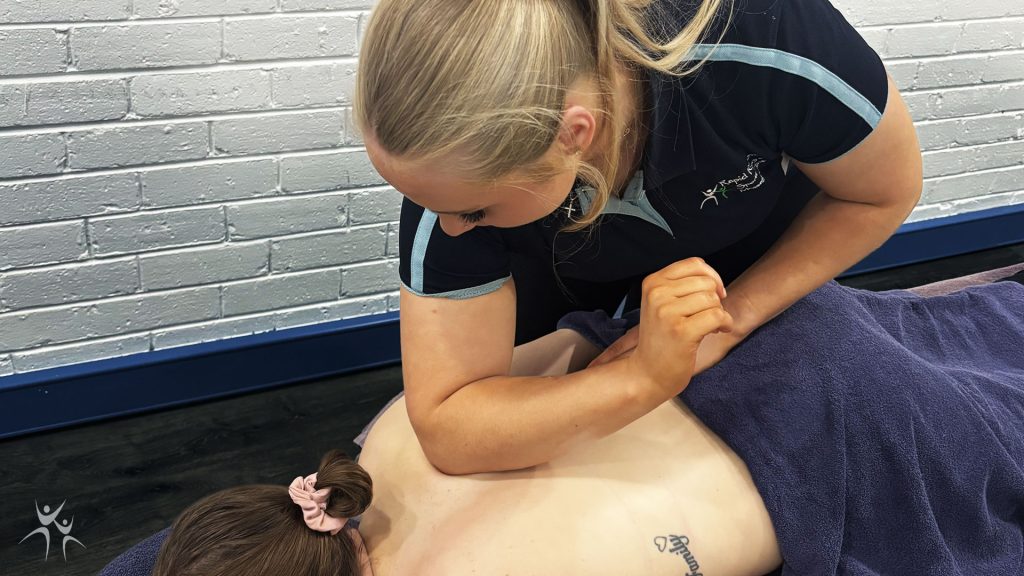
Is Remedial Massage right for you?
Here's who can benefit
If you've been living with a sore back, tight neck, aching shoulders or stiff muscles, you've probably wondered whether remedial massage is worth trying.
The good news is that remedial massage isn't just for elite athletes or people recovering from injuries. It's a targeted, evidence-informed treatment that can help people of all ages move better, reduce pain and recover more effectively from the demands of everyday life.
Whether you're a gym enthusiast, a weekend warrior, an office worker, a tradie, a busy parent or simply feeling the effects of getting older, remedial massage may help you feel and move better.
So what is Remedial Massage?
Unlike a relaxation massage, remedial massage is designed to assess and treat the muscles, tendons, fascia and other soft tissues that may be contributing to pain, stiffness or restricted movement.
Rather than simply working on the area that hurts, your therapist looks at how your body is moving as a whole to identify the underlying cause of the problem.
For example, a sore lower back may actually be caused by tight hips or weak glute muscles. Frequent headaches might stem from tension through the neck and shoulders. By treating the source—not just the symptoms—we aim to achieve longer-lasting results.
Who can benefit from Remedial Massage?
Remedial massage can help people experiencing a wide range of conditions, including:
- Neck and shoulder tension
- Lower back pain
- Headaches related to muscle tension
- Sports injuries
- Muscle tightness and stiffness
- Poor posture
- Work-related aches and pains
- Reduced flexibility or mobility
- Recovery after exercise
You don't need to be in severe pain to benefit. In fact, addressing minor issues early can often prevent them from developing into more significant problems.
What happens during a Remedial Massage appointment?
Every appointment begins with a conversation.
We'll ask about your symptoms, medical history, work, exercise routine, hobbies and lifestyle to understand what's contributing to your pain and what you'd like to achieve.
From there, we'll assess the affected area and explain what we think is causing your discomfort before developing a treatment plan tailored specifically to you.
No two people are the same, so every treatment is personalised.
What techniques are used?
Depending on your condition and goals, your treatment may include a combination of techniques such as:
- Deep tissue massage
- Trigger point therapy
- Myofascial release
- Stretching
- Joint mobilisation (where appropriate)
- Assisted mobility techniques
These techniques are selected to help reduce muscle tension, improve movement, encourage recovery and relieve pain.
You'll leave with more than just a massage
One of the biggest differences between remedial massage and a standard relaxation massage is what happens after your treatment.
Before you leave, your therapist will explain what they found during the assessment and provide practical advice to help you continue improving between appointments.
This may include:
- Stretching exercises
- Strengthening exercises
- Ergonomic advice for work or home
- Activity modifications
- Recovery strategies
Our goal isn't simply to help you feel better for a few hours—it's to help you stay better.
When should you book a Remedial Massage?
Many people wait until their pain becomes unbearable before seeking treatment. The reality is that early intervention often leads to quicker recovery and better long-term outcomes.
If you've been living with ongoing muscle tightness, recurring headaches, back pain or movement restrictions, there's no need to wait until it gets worse. A personalised remedial massage treatment may be exactly what's needed to help you move more freely, recover faster and get back to doing the things you enjoy.
Whether you're training for your next event, working long hours at a desk or simply trying to keep up with everyday life, remedial massage can help you feel your best.