
How stress shows up in your body
Understanding the connection between stress, muscle tension and your physical wellbeing and why your body might be telling you it's time to slow down.
Have you ever noticed that during particularly stressful periods, your body starts to feel different too?
Perhaps your shoulders feel constantly tight, your jaw is aching, you're experiencing more headaches than usual, or you're struggling to switch off at night, even when you're exhausted.
It's not necessarily a coincidence.
Stress doesn't just affect our thoughts and emotions. It can also influence how our bodies respond physically, including muscle tension, sleep and the way we experience discomfort.
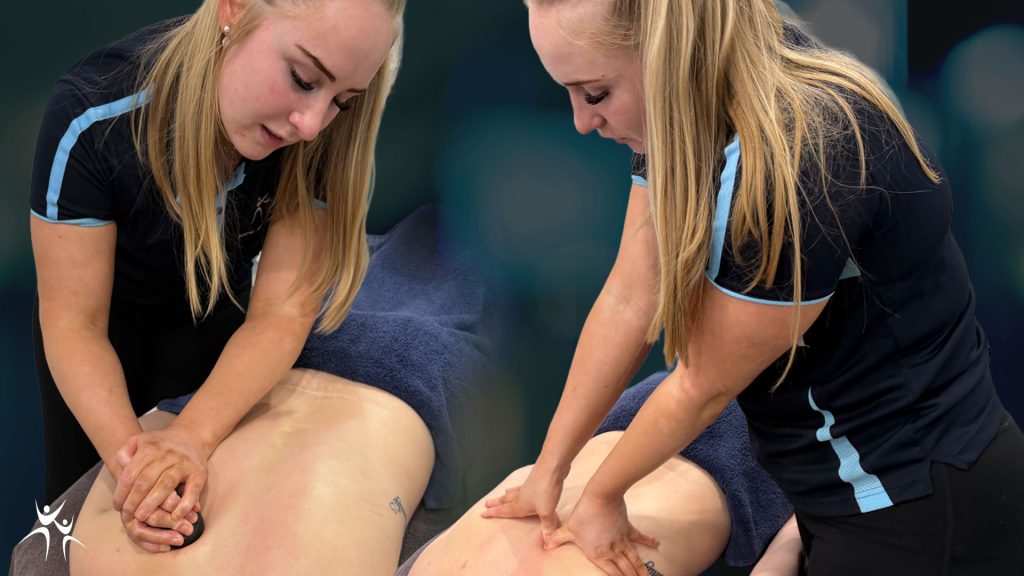
As a remedial massage therapist, Tara Jenner often sees people who come in with a sore neck, tight shoulders or general muscular discomfort. Sometimes, the demands of everyday life such as work deadlines, family responsibilities, financial pressure or simply having too much on our plates may be contributing factors.
So, what's actually happening in the body, and where does remedial massage fit in?
The connection between stress and your muscles
When we experience stress, our nervous system responds by preparing the body to deal with what it perceives as a challenge or threat. This is commonly known as the fight-or-flight response.
You might notice your heart beating faster, your breathing changing and your muscles becoming more tense. It's a natural response designed to help us react to what's happening around us.
The tricky part is that modern-day stress doesn't always come from an immediate physical threat.
It might be work deadlines, financial pressure, family responsibilities, lack of sleep or simply feeling like there's too much to do and not enough time to do it.
When stress becomes ongoing, you may find yourself holding tension without even realising it.
Think of it like driving a car with your foot slightly pressing on the accelerator, even when you're sitting at a set of traffic lights. The engine is constantly working when it doesn't really need to be.
Your muscles can behave a little like that too. You might find yourself clenching your jaw, raising your shoulders or bracing your neck throughout the day.
Over time, this can contribute to muscular fatigue, tightness and discomfort.
Let's look at some common places where stress can show up in your body.
1. Jaw tension and teeth clenching
Do you ever catch yourself clenching your teeth while concentrating, driving or working at your computer?
Jaw tension is something many people experience, particularly during stressful periods. Some people also clench or grind their teeth while sleeping, without even being aware they're doing it.
The muscles around your jaw can become uncomfortable or fatigued, and you might notice:
- Tenderness around your jaw or cheeks.
- Facial tension.
- Discomfort when chewing.
- Clicking or other changes in jaw movement.
- Headaches around the temples.
Think of it like holding a fist tightly clenched for hours. Eventually, those muscles are going to become tired and uncomfortable.
The same sort of thing can happen with your jaw.
Being more aware of when you're clenching can be a useful first step. Try checking in with yourself throughout the day. Are your teeth touching when they don't need to be? Are you holding tension in your face?
Remedial massage may be appropriate for some people experiencing muscular tension around the jaw, neck and shoulders. However, persistent jaw pain, changes in jaw movement or suspected teeth grinding are worth discussing with your dentist or another appropriate healthcare professional.
2. Headaches and tension
Have you ever finished a particularly stressful day with a headache and a feeling of tightness around your neck and shoulders?
Stress, fatigue, muscle tension and poor sleep can all be associated with headaches in some people.
Tension-type headaches, for example, are often described as a pressing or tightening sensation around the head. Some people experience discomfort around their forehead, temples, neck or the base of their skull.
But here's something important: headaches can have many different causes.
It's easy to assume that a headache is simply coming from tight neck muscles, but that isn't always the case.
If muscular tension is contributing to your discomfort, remedial massage may be suitable for addressing some of that associated tension. Treatment might focus on the neck, shoulders and upper back, depending on your symptoms and individual assessment.
If your headaches are frequent, changing or getting worse, speak with your GP or another appropriate healthcare professional rather than assuming they're muscular.
A sudden, severe headache or a headache accompanied by concerning symptoms such as neurological changes, fever or neck stiffness requires urgent medical assessment.
3. Neck and shoulder tension
If there's one area where many people seem to carry their stress, it's the neck and shoulders.
You might notice your shoulders creeping towards your ears throughout the day, your neck feeling stiff when you turn your head, or that familiar tight feeling between your shoulder blades.
When we're stressed, we can unconsciously brace our muscles.
Add long hours at a desk, looking down at our phones and not taking enough movement breaks, and those muscles can start to feel the effects.
It's a little like leaving a light switched on all day. Your muscles are continually being held in an active state rather than having opportunities to relax and change position.
So, what can you do?
- Check in with your shoulders throughout the day. Are they creeping upwards?
- Take regular breaks from your desk.
- Change your sitting position and move around.
- Try some gentle neck and shoulder movements.
- Pay attention to your breathing, particularly when you're concentrating or feeling under pressure.
Remedial massage may help ease muscular discomfort and provide temporary relief from tension for some people.
Sometimes, combining treatment with simple movement, regular breaks and changes to daily habits is a useful way to approach ongoing muscular discomfort.
4. Stress and your sleep
Have you ever felt completely exhausted, only to lie in bed with a mind that simply won't switch off?
Stress can affect our sleep patterns. When we're constantly thinking, worrying or feeling under pressure, it can be harder to wind down at the end of the day.
Think of your nervous system like a car. Throughout the day, you're constantly accelerating, navigating and responding to what's happening around you.
At some point, you need to take your foot off the accelerator and allow the car to slow down.
Your body needs opportunities to do that too.
Creating a little space between your busy day and bedtime may help. That could mean stepping away from screens, having a warm shower, reading a book or making time for a few quiet moments.
Where does massage fit in?
For some people, a comfortable and appropriately paced remedial massage appointment can provide time away from everyday demands and encourage relaxation.
However, massage isn't a treatment for insomnia or every type of sleep problem, and its effects on sleep will vary between individuals.
If you're regularly struggling to sleep or feeling exhausted despite getting enough time in bed, it's worth discussing this with your GP.
So, how can Remedial Massage help?
Remedial massage is about more than simply finding a tight muscle and trying to work it out.
It's about understanding where you're experiencing muscular discomfort, considering your individual needs and selecting appropriate techniques and treatment approaches.
Depending on your symptoms and treatment goals, remedial massage may help to:
- Address areas of muscular tension and discomfort.
- Provide temporary relief from muscle-related aches.
- Support comfortable movement.
- Encourage relaxation.
- Give you an opportunity to check in with how your body is feeling.
It's also important to remember that more pressure doesn't necessarily mean better results.
A good treatment should be tailored to your body, your comfort levels and what you're hoping to achieve.
Sometimes a slower, gentler approach is exactly what you need.
And remember, remedial massage isn't a substitute for addressing the things contributing to ongoing stress. Looking after your physical wellbeing may involve a combination of movement, rest, sleep habits, stress management and appropriate healthcare support.
Don't wait until your body forces you to slow down
One thing I often encourage people to remember is that you don't need to be in significant pain before you start paying attention to your body.
We can become so accustomed to tight shoulders, a stiff neck or regularly waking up with a sore jaw that we start accepting these feelings as normal.
But just because something is common doesn't mean you have to ignore it.
Stress is a part of life, and while we can't always remove the things causing it, we can become better at recognising how it's affecting us and taking steps to look after ourselves.
That might mean making time for movement, improving your sleep routine, taking regular breaks, finding ways to manage daily pressures or seeking professional support when you need it.
And if muscular tension and discomfort are becoming difficult to manage, remedial massage may be one option worth exploring.
So, take a moment right now.
Drop your shoulders. Unclench your jaw. Take a slow breath and check in with how your body is feeling.
Sometimes, the first step towards looking after yourself is simply paying attention to what your body has been trying to tell you.
Need some help with muscular tension?
If you're experiencing ongoing neck, shoulder or jaw discomfort, our remedial massage team at Rapid Recovery Ferntree Gully can discuss your symptoms and whether remedial massage may be appropriate for you.