
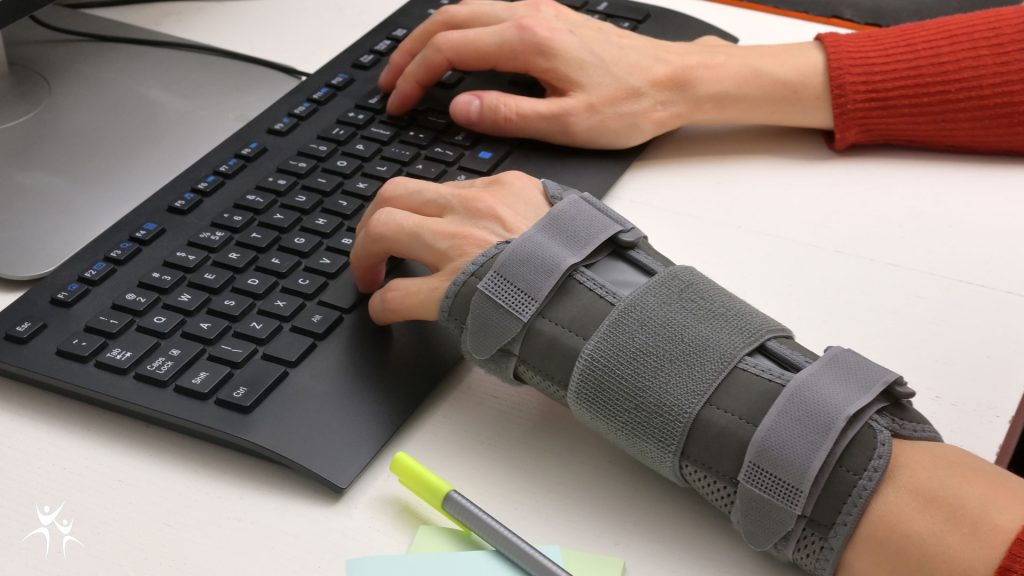
How Osteopathy can support your recovery after a work or transport accident
Suffering an injury at work or in a transport accident can affect much more than just the injured area. Pain, reduced movement and difficulty performing everyday activities can make it harder to work, exercise, sleep and participate in normal life.
For eligible Victorians, osteopathy may form part of a broader rehabilitation program following a workplace injury covered by WorkSafe Victoria or a transport accident covered by the Transport Accident Commission (TAC).
The aim of treatment is not simply to provide hands-on care, but to help support recovery, improve function and encourage people to become more confident in managing their injury.
How can an osteopath help?
Osteopaths are registered health practitioners who assess and manage musculoskeletal conditions. Depending on the individual presentation, an osteopathic consultation may include a combination of:
- A detailed history and physical assessment
- Advice and education about the injury
- Hands-on treatment such as soft-tissue techniques and joint mobilisation or manipulation, where clinically appropriate
- Stretching and movement strategies
- Exercise prescription
- Advice about modifying activities while recovering
- Strategies to assist with self-management
- Monitoring progress using appropriate measures
- Setting functional goals, such as returning to work, sport or normal daily activities
The treatment approach should be tailored to the individual rather than assuming that the same treatment is appropriate for everyone.
For TAC-funded care, the TAC describes osteopathy as potentially including assessment, treatment planning, education, manual therapy, exercise-based treatment and self-management strategies.
Work injuries and WorkSafe Victoria
If you have an accepted WorkSafe claim for a work-related injury or illness, you may be able to access osteopathy as part of your rehabilitation.
WorkSafe Victoria states that, where a claim is accepted, workers can access osteopathy for a work-related injury or illness without prior approval from WorkSafe or a referral from a medical practitioner. However, if you require a Certificate of Capacity for your employer, you will need to see your GP for the initial certificate, you will be able to get subsequent certificates from your Osteopath.
Your osteopath will assess your injury and establish appropriate goals for treatment. WorkSafe also requires an Allied Health Recovery Management Plan (AHRMP) to be completed after treatment begins. The initial plan must be submitted before the fifth consultation and outlines the goals, treatment strategies, expected outcomes and proposed timelines.
Importantly, WorkSafe-funded treatment is intended to support rehabilitation from a work-related injury. Treatment is therefore focused on functional progress rather than simply providing ongoing passive care.
Transport accidents and the TAC
Osteopathy may also be available to people recovering from injuries sustained in a transport accident.
For eligible TAC clients, osteopathy can be funded when it is required as a result of transport accident injuries and meets TAC requirements. During the first 90 days following an accident, TAC does not require prior approval for osteopathy as long as you have a TAC claim number.
After the initial 90-day period, further osteopathic treatment requires TAC approval. An Allied Health Treatment and Recovery Plan (AHTRP) may be used to request ongoing treatment, with TAC considering whether treatment remains reasonable, clinically justified and focused on measurable outcomes.
Similar to WorkCover, an Osteopath can provide subsequent Certificates of Capacity, but you will need to see your GP to get the initial certificate.
TAC also emphasises helping injured people become more independent through education, self-management and active participation in their recovery.
Working towards a return to work
One of the important goals following an injury is often returning to normal activities, including employment.
An osteopath may work with you and, where appropriate, other members of your healthcare and rehabilitation team to establish realistic functional goals. This may involve gradually increasing movement, improving tolerance to particular activities and developing strategies that allow you to participate in daily tasks while your recovery progresses.
Return-to-work planning needs to take into account the individual's injury, job demands, symptoms, capacity and the advice of the relevant healthcare and rehabilitation professionals.
For TAC-funded care, return to work and participation are specifically included among the functional goals that treatment may address.
What does recovery look like?
Recovery is different for every person.
Some injuries may improve relatively quickly, while others can require a longer rehabilitation process. Factors such as the nature and severity of the injury, previous health, physical demands of work, sleep, stress, activity levels and other recovery barriers can all be relevant.
Rather than promising a particular outcome or timeframe, your osteopath should regularly reassess your progress and adjust the management plan when appropriate.
This may mean changing exercises, modifying activities, introducing additional strategies or recommending assessment by another healthcare professional when further investigation or care is appropriate.
Taking an active role in your recovery
Whether your injury occurred at work or on the road, rehabilitation is generally most effective when you understand your injury and are involved in the recovery process.
Your osteopath can help you understand what may be contributing to your symptoms, provide appropriate treatment and exercises, and develop strategies that can be incorporated into your everyday routine.
The goal is to support you in gradually returning to the activities that matter to you while encouraging independence and self-management.
If you have a WorkSafe or TAC claim and are considering osteopathy, speak with your treating healthcare professional and your osteopath about whether it is appropriate for your individual circumstances and what approvals or claim requirements apply.