
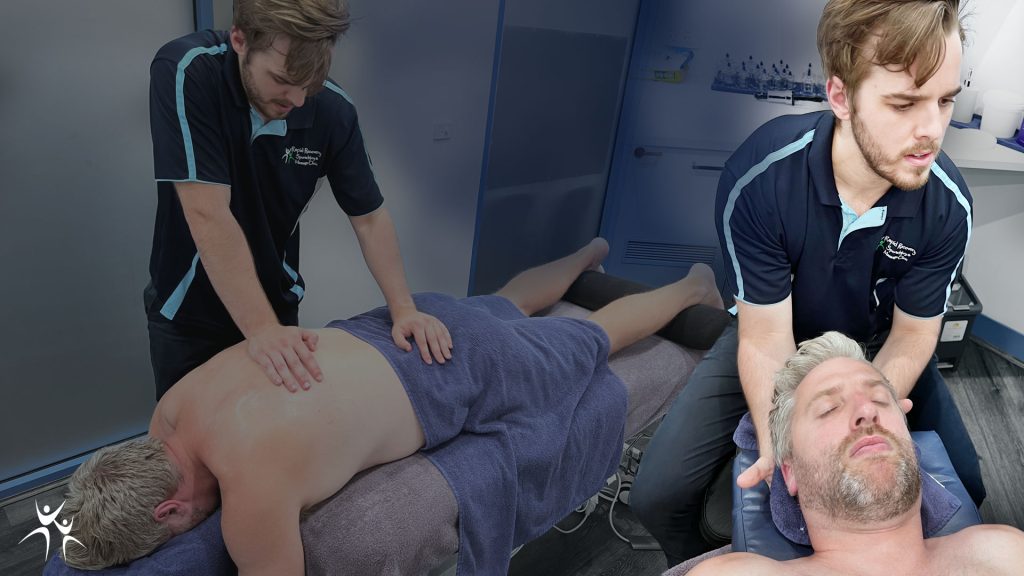
5 common questions people ask an Osteopath
What does an osteopath actually do? What's the difference between an osteopath and a physiotherapist? And what should you expect at your first appointment? Dr Mitch Pontefract answers five questions he regularly hears from patients.
If you've ever experienced neck pain, back pain, joint discomfort or an injury that's affecting your everyday activities, you may have considered seeing an osteopath.
But if you've never visited one before, you probably have a few questions.
Osteopathy is a form of allied health care focused on the assessment and management of musculoskeletal conditions. However, understanding what an osteopath actually does, how treatment works and whether it's right for you isn't always straightforward.
As an osteopath, these are five questions I'm regularly asked by patients.
1. What does an Osteopath actually do?
This is probably one of the most common questions I get.
Osteopaths are registered allied health practitioners who assess and manage musculoskeletal conditions affecting the muscles, joints and other structures involved in movement.
In practical terms, that means looking at how your body moves, understanding your symptoms and considering what factors might be contributing to your discomfort.
An osteopathic appointment usually involves discussing your health history, symptoms, daily activities and any previous injuries. I'll then assess relevant areas of movement, strength and mobility to help understand what's happening.
Depending on your individual needs, treatment may include a combination of hands-on techniques, exercises and movement advice.
Some of the hands-on techniques osteopaths may use include:
- Soft tissue techniques: Hands-on approaches involving muscles and other soft tissues.
- Joint articulation: Gentle, controlled movements of joints through their available range.
- Muscle energy techniques: Using your own controlled muscle contractions against resistance to explore movement and mobility.
- HVLA techniques: Specific, controlled joint movements involving a quick, small movement. These can sometimes produce a clicking or popping sound.
Not every technique is appropriate for every person. Treatment should always be based on your individual assessment, preferences and clinical needs.
It's also important to understand that osteopathy isn't just about hands-on treatment. Exercise, education and practical strategies to manage your symptoms between appointments can also be important parts of your care.
2. What's the difference between an Osteopath and a Physiotherapist?
Another question I hear quite often!
Osteopathy and physiotherapy are both registered allied health professions that work with people experiencing pain, injuries and movement-related concerns.
There are many similarities between the two, and both professions can assess musculoskeletal conditions, use hands-on treatment and recommend exercises to support rehabilitation and recovery.
The main differences can come down to the individual practitioner's approach, training and treatment preferences.
Osteopaths are trained to assess the musculoskeletal system and consider how different areas of the body, movement patterns and everyday activities may relate to a person's symptoms.
Physiotherapists also assess movement and function, and commonly work with people through injury rehabilitation, exercise prescription and functional recovery.
However, there's plenty of overlap. Osteopaths use exercise and rehabilitation strategies, while physiotherapists may also incorporate hands-on treatment.
So, which one should you see?
There isn't necessarily a right or wrong answer. Both professions can be suitable for a range of musculoskeletal concerns. Your choice may come down to your individual needs, preferences and the practitioner you feel comfortable working with.
3. What conditions can an Osteopath help with?
People visit osteopaths for a wide range of musculoskeletal concerns.
Some of the common reasons patients come to see me include:
- Back pain: Including upper and lower back discomfort and stiffness.
- Neck pain: Restricted movement, stiffness and muscular discomfort.
- Shoulder pain: Discomfort affecting reaching, lifting or everyday activities.
- Hip and pelvic-region pain: Musculoskeletal discomfort affecting movement and function.
- Sporting and gym-related injuries: Symptoms that develop during exercise, training or physical activity.
- Work-related discomfort: Aches and stiffness associated with repetitive tasks, lifting or prolonged positions.
Some patients also seek assessment for headaches, particularly when they experience associated neck or upper-back discomfort. However, headaches have many possible causes, and not all are related to musculoskeletal factors.
It's also worth mentioning that symptoms such as tingling, burning or altered sensation can sometimes indicate nerve involvement or other conditions requiring further investigation.
The important thing is not to assume that every ache or pain has the same cause.
An osteopath can assess your symptoms, consider whether they fall within the scope of osteopathic care and discuss appropriate management options. If further medical assessment or referral is needed, that should be part of the conversation too.
4. What happens during an Osteopathy appointment?
If you've never seen an osteopath before, it's understandable to wonder what actually happens during an appointment.
Your first consultation generally starts with a conversation.
I'll ask about what's bothering you, when your symptoms started, what makes them better or worse, and how they're affecting your everyday activities. We'll also discuss your medical history, previous injuries and any other relevant health information.
From there, I'll carry out a physical assessment based on your symptoms. This may include looking at your posture, movement, joint mobility, strength and other relevant physical tests.
Once I've gathered that information, I'll explain my findings and discuss the management options that may be suitable.
Treatment will depend on your individual presentation and may include hands-on techniques, movement advice and exercises.
Importantly, you should always feel comfortable asking questions. I'll explain any proposed techniques, discuss relevant risks and alternatives, and seek your consent before proceeding.
You don't need to know exactly what's wrong before coming in. That's part of what the assessment is for.
5. How many Osteopathy appointments will I need?
This is another question that doesn't have a universal answer.
The number and frequency of appointments will depend on several factors, including:
- What symptoms you're experiencing.
- How long you've been experiencing them.
- Your general health and previous injury history.
- Your everyday activities and physical demands.
- Your individual goals and how your symptoms respond to management.
Some people may only need an initial assessment and advice about managing their symptoms. Others may benefit from further appointments as part of a broader management plan.
If further treatment is recommended, we should discuss why it's appropriate, what we're aiming to achieve and how we'll review your progress.
As your symptoms and movement change, the management approach may need to change too.
There shouldn't be a routine schedule that everyone is expected to follow. Appointments should be guided by your individual circumstances and clinical needs.
Thinking about seeing an Osteopath?
Hopefully, these five questions give you a better understanding of what osteopaths do and what you can expect from an appointment.
Whether you're experiencing back pain, neck stiffness, joint discomfort or an injury that's affecting your activities, an osteopath can assess your musculoskeletal concerns and discuss whether osteopathic care may be appropriate.
At Rapid Recovery, our osteopaths take the time to understand your concerns, explain their findings and discuss management options suited to your individual needs.
Have more questions about osteopathy?
Get in touch with the Rapid Recovery team or book an appointment to discuss your concerns.