
Rib Pain — what it could mean and what you can do about it
Rib pain can be uncomfortable and sometimes a little worrying, particularly when it hurts to breathe, twist, cough or move.
There are several possible causes of pain around the ribs and chest wall, including musculoskeletal conditions affecting the muscles, joints and other tissues in the area. However, not all rib or chest pain is musculoskeletal.
Because the ribs and chest wall are close to important organs such as the heart and lungs, it's important not to assume that rib pain is simply a “rib out”. An appropriate assessment can help determine whether your symptoms are suitable for musculoskeletal care or whether you should be assessed by another healthcare professional.
What can rib pain feel like?
Rib pain can vary depending on what is contributing to your symptoms. You may notice:
- Sharp or stabbing pain
- A dull ache or soreness
- Tenderness around a particular rib
- Pain when taking a deep breath
- Discomfort when coughing or sneezing
- Pain when twisting, reaching or lifting
- Pain around the front, side or back of the rib cage
Sometimes the pain can be quite localised, while other people may feel discomfort spreading around the side of the chest or towards the back.
The way rib pain feels doesn't necessarily tell you what is causing it, which is why an appropriate assessment is important.
Common causes of rib pain
Muscle strain
The muscles between and around the ribs can become painful or irritated following activities such as lifting, sport, gym training, repetitive movements or sudden twisting.
Heavy or prolonged coughing can also place additional stress on the muscles around the rib cage.
Costochondritis
Costochondritis involves inflammation of the cartilage where some of the ribs connect with the breastbone.
It can cause pain towards the front of the chest and may be aggravated by movement, deep breathing or pressure over the area.
If you experience new or unexplained chest pain, however, it is important not to assume that costochondritis is the cause without appropriate assessment.
Rib or chest-wall injury
A fall, knock, collision or sporting injury can cause bruising or injury to the ribs and surrounding tissues.
Rib fractures can also occur following trauma and may take several weeks to heal. Significant trauma, severe pain or difficulty breathing should be appropriately assessed.
Thoracic spine and rib-related pain
The ribs connect with the thoracic spine at the back of the chest. Musculoskeletal structures in this area, including joints and muscles, can contribute to pain around the rib cage.
This type of pain may be aggravated by movements such as twisting, bending or reaching, or sometimes by taking a deep breath.
An osteopath may assess the thoracic spine, ribs and surrounding muscles as part of a broader musculoskeletal assessment when appropriate.
When should you get rib pain checked?
This is particularly important when you're experiencing pain in or around the chest.
Seek urgent medical attention if you experience severe or worsening chest pain, significant difficulty breathing, chest pressure or heaviness, dizziness, sweating, nausea, or pain spreading into your arm, jaw, neck or back. In an emergency, call 000.
You should also seek appropriate medical assessment for new, unexplained or persistent chest or rib pain, particularly if you are unsure whether your symptoms are musculoskeletal.
It's better to have chest or rib pain assessed than to try to diagnose the cause yourself.
How can rib pain be managed?
Management depends on what is causing your symptoms and your individual circumstances.
For uncomplicated musculoskeletal rib pain, management may include:
- Modifying activities that significantly aggravate your symptoms
- Maintaining gentle movement within your comfort level
- Appropriate mobility and strengthening exercises
- Gradually returning to normal exercise and activities
- Education and advice about managing your symptoms
- Hands-on treatment where clinically appropriate
You don't necessarily need to stop moving completely. For some musculoskeletal presentations, finding a comfortable level of activity and gradually building your tolerance may be more appropriate than complete rest.
Your practitioner can help determine what approach is appropriate for your individual presentation.
How can an Osteopath help with rib pain?
If your symptoms appear appropriate for osteopathic care, an osteopath may assess the area around your symptoms as part of a broader musculoskeletal assessment.
This may include considering the ribs, thoracic spine, surrounding muscles, movement patterns, recent changes to your exercise or workload, and any relevant injury or activity history.
Depending on the findings of your assessment, management may include hands-on treatment, exercise, education and advice around activity.
Importantly, osteopathic treatment isn't appropriate for every cause of rib or chest pain. If your symptoms suggest that you need assessment or management from another healthcare professional, your osteopath may recommend that you seek further medical care.
How can Rapid Recovery help?
At Rapid Recovery, our osteopaths take the time to understand what may be contributing to your symptoms, rather than simply focusing on where it hurts.
If you're experiencing rib or chest-wall pain and are unsure whether it may be musculoskeletal, an assessment can help determine the most appropriate next step.
Rib pain can have many possible causes, so you don't have to guess your way through it.
About Dr Stephanie Morstead
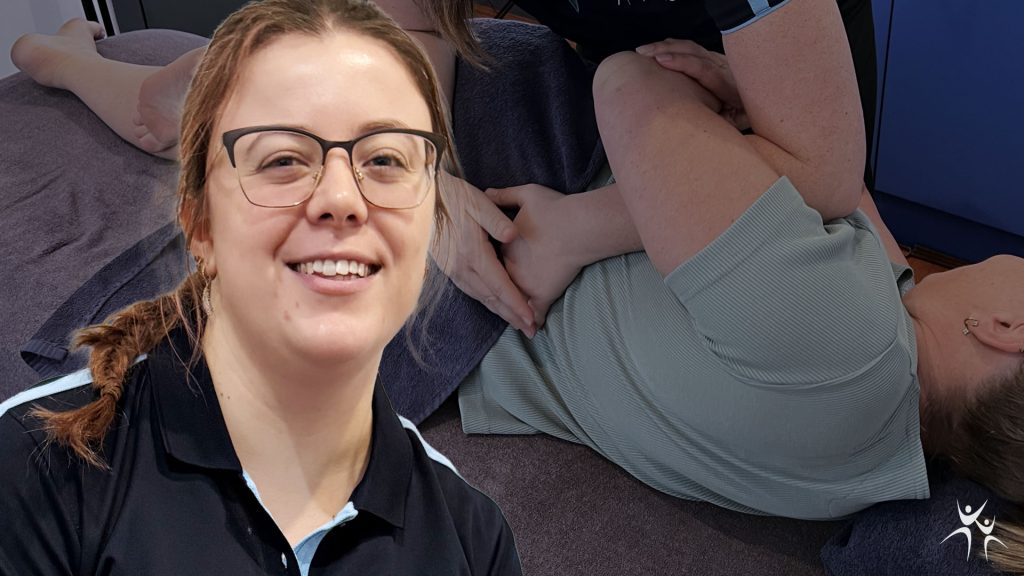
This article was written by Dr Stephanie Morstead, Osteopath, who provides osteopathic care at Rapid Recovery Clinic. Steph takes an individualised approach to assessment and treatment, with particular clinical interests including headaches, neck and shoulder pain.
If you're concerned about rib pain or another musculoskeletal issue, you can discuss your symptoms with the Rapid Recovery team to determine whether an osteopathic assessment may be appropriate.

This article provides general health information and is not intended to diagnose, treat or replace individual medical advice. If you are concerned about chest or rib pain, seek appropriate medical assessment. In an emergency, call 000.