
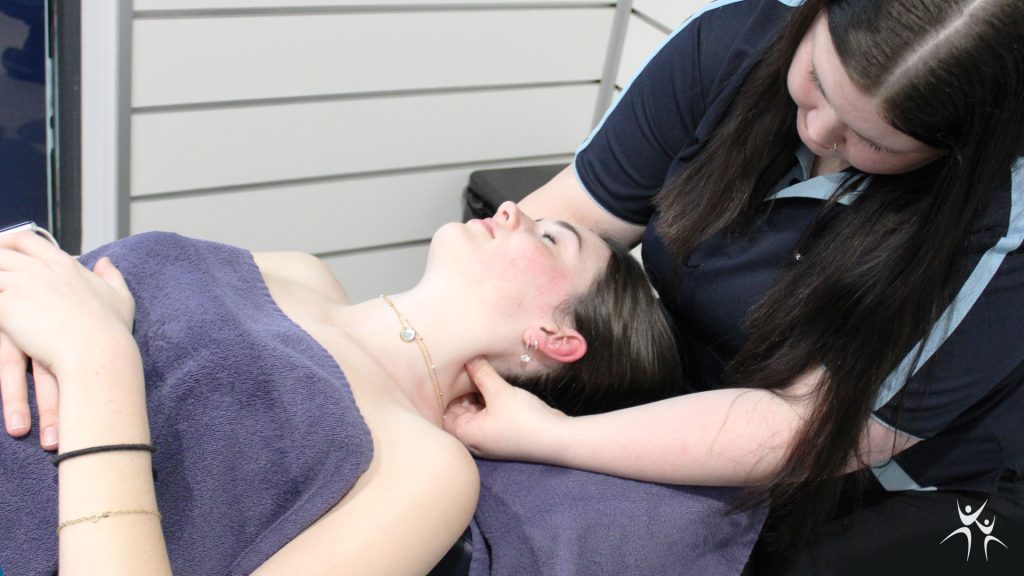
Headaches and neck pain: can Remedial Massage help relieve muscular tension?
Finding relief through Remedial Massage
Headaches, neck stiffness and tight shoulders are common complaints that can affect how we work, sleep, exercise and go about our daily lives.
Long hours at a desk, repetitive movements, physically demanding work and everyday stress can all contribute to muscular discomfort around the neck and upper shoulders. For some people, this tension may also be associated with certain types of headaches.
Understanding what may be contributing to your symptoms is an important first step in finding an appropriate approach to managing them.
As a remedial massage therapist at Rapid Recovery, Lucy O'Brien regularly works with people experiencing muscular tension and discomfort through the neck and shoulders. Remedial massage may be a useful option when soft tissue sensitivity and muscular discomfort are contributing to symptoms.
But what is the connection between headaches and neck tension, and where might remedial massage fit into your care?
Understanding the connection between headaches and neck tension
Headaches can have many different causes, and not all headaches are related to muscular tension.
One type is a tension-type headache, which is often described as a dull, pressing or tightening sensation around the forehead, temples or back of the head. Some people also experience tenderness through the scalp, neck and shoulder muscles.
Muscles around the neck and base of the skull, including the upper trapezius and suboccipital muscles, may be sensitive or tender in people experiencing certain headaches.
Factors that may contribute to associated muscular discomfort include:
- Prolonged periods sitting or working at a computer.
- Repetitive movements or sustained head positions.
- Increased physical or emotional stress.
- Reduced movement throughout the day.
- Poor sleep or inadequate recovery.
Another type is a cervicogenic headache, which is associated with structures in the neck and can refer pain into the head. Symptoms may include restricted neck movement, discomfort around the base of the skull or pain that travels towards the forehead or temples.
Although these headache types can share some symptoms, they are different conditions and require appropriate assessment.
Migraines are another distinct type of headache. They can involve moderate to severe head pain, sensitivity to light or sound, nausea and other symptoms. Some people with migraines also experience neck discomfort, but this does not mean that muscular tension is the underlying cause.
How can Remedial Massage help with neck-related muscular discomfort?
Where muscular tension or soft tissue sensitivity contributes to neck discomfort, remedial massage may form part of a broader management approach.
Depending on the individual's presentation, treatment may involve:
- Gentle soft tissue techniques around the neck and shoulders.
- Massage targeting areas of muscular tenderness.
- Techniques addressing discomfort through the upper back.
- Gentle movement to explore comfortable neck mobility.
- Advice on movement breaks and everyday activity.
Treatment should always be tailored to the individual's symptoms, health history and comfort levels.
The aim is to address the muscular component of discomfort where appropriate, rather than assume that massage is suitable for every type of headache or neck pain.
Why does neck stiffness develop?
The neck supports the weight of the head while allowing us to look, turn and move in multiple directions.
The muscles surrounding the cervical spine work together to support the head and coordinate movement. When these muscles become sensitive or overloaded, everyday activities can become uncomfortable.
You might notice:
- Stiffness when turning your head.
- Discomfort when looking down or upwards.
- Tightness around the base of the skull.
- Tension extending into the shoulders.
- Discomfort after prolonged driving or computer use.
Neck pain can also involve joints, nerves, injuries or other underlying conditions. Persistent or unexplained symptoms should be assessed by an appropriate healthcare professional.
What happens during a Remedial Massage appointment?
If you're experiencing neck or shoulder tension, an initial remedial massage appointment should begin with a conversation about your symptoms and health history.
This helps establish what you're experiencing, when the discomfort occurs and whether there are any factors that may affect the suitability of massage.
Depending on your presentation, treatment may focus on the upper trapezius, levator scapulae, cervical paraspinal muscles and surrounding soft tissues.
Pressure and techniques are adjusted to your individual needs and comfort. Your therapist should also explain what they are doing and check in with you throughout the session.
If your symptoms suggest that further assessment is needed, massage may not be the most appropriate first step.
Looking after your neck between appointments
There are several practical habits that may help support neck comfort and general movement.
Take regular movement breaks. If you spend long periods sitting, try changing positions and moving around throughout the day.
Vary your working position. Set up your workstation comfortably, but don't feel that you need to hold one perfect posture all day. Movement and variation are important.
Be mindful of repetitive activities. If driving, computer work or repetitive tasks aggravate your symptoms, consider how you might break up or adjust these activities.
Build strength gradually. Appropriate strengthening exercises can help develop your capacity to manage everyday activities and physical demands.
Prioritise recovery. Sleep, rest and managing everyday stress can all contribute to general wellbeing.
If headaches or neck discomfort are persistent, worsening or regularly returning, seek advice from an appropriate healthcare professional.
When should you seek medical advice?
Not every headache or episode of neck pain is suitable for remedial massage.
Seek emergency medical attention for a sudden, extremely severe headache, or a headache accompanied by new weakness, difficulty speaking, confusion or sudden vision changes. Headaches associated with fever and significant neck stiffness also require urgent medical assessment.
Neck pain following significant trauma, or pain accompanied by progressive weakness, numbness or other concerning neurological symptoms, should also be medically assessed.
If you are unsure about the cause of your symptoms, speak with your GP or another suitable healthcare professional before seeking massage treatment.
Supporting your body through Remedial Massage
Headaches and neck discomfort can have a range of contributing factors. For some people, muscular tenderness and soft tissue sensitivity form part of the picture.
Remedial massage may help manage muscular discomfort and support comfortable movement when it is appropriate for the individual's presentation.
At Rapid Recovery, our approach is centred on understanding each person's needs and providing care that considers the whole picture, not just the area where discomfort is felt.
If you're experiencing ongoing neck or shoulder tension, a remedial massage therapist can discuss your symptoms, assess whether massage may be suitable and help you understand your options.
Experiencing headaches alongside neck and shoulder tension?
Our Remedial Massage therapists at Rapid Recovery can help assess your muscular discomfort and determine whether massage may be an appropriate part of your care.
With clinics in Healesville, Seville and Ferntree Gully, our team provides individualised, hands-on treatment tailored to your needs.