What is Manual Lymphatic Drainage?
A guide to Lymphatic Massage
By Natalie Gossip, Advanced Therapist
If you've ever experienced swelling after surgery, felt heavy or puffy at the end of the day, or been diagnosed with lymphoedema or lipoedema, you've probably heard about Manual Lymphatic Drainage (MLD).
This specialised treatment is a gentle, hands-on therapy designed to encourage the natural movement of lymphatic fluid throughout the body. While many people associate lymphatic massage with post-surgical recovery, it can also support people experiencing fluid retention, swelling and certain chronic health conditions.
What is Manual Lymphatic Drainage?
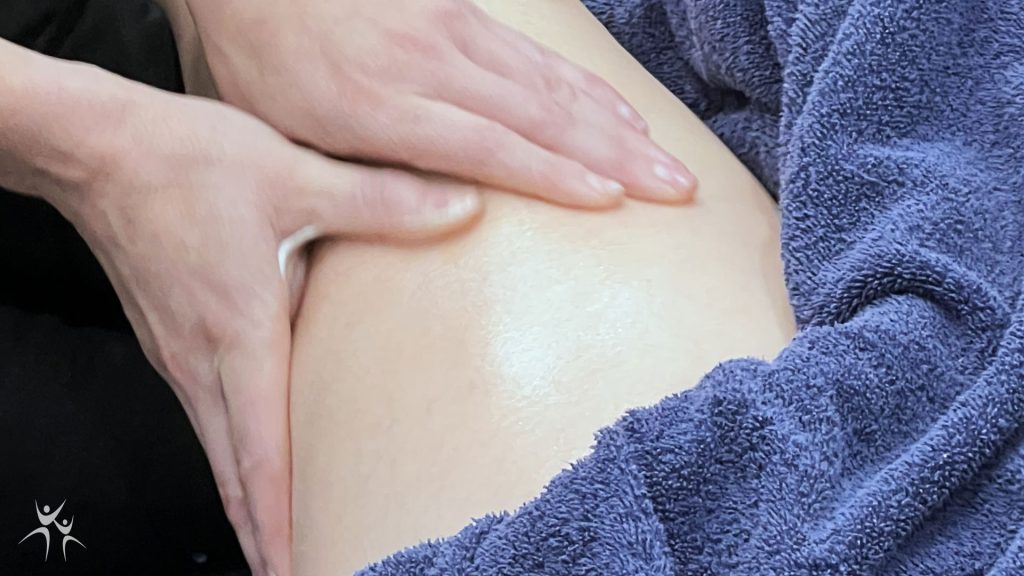
Manual Lymphatic Drainage (MLD) is a gentle massage technique that stimulates the lymphatic system using light, rhythmic movements. Unlike traditional massage, MLD does not use deep pressure. Instead, it works just beneath the surface of the skin to encourage the movement of lymph fluid towards healthy lymph nodes where it can be filtered and returned to the bloodstream.
The treatment is relaxing, comfortable and specifically designed to support your body's natural drainage process.
What is the lymphatic system?
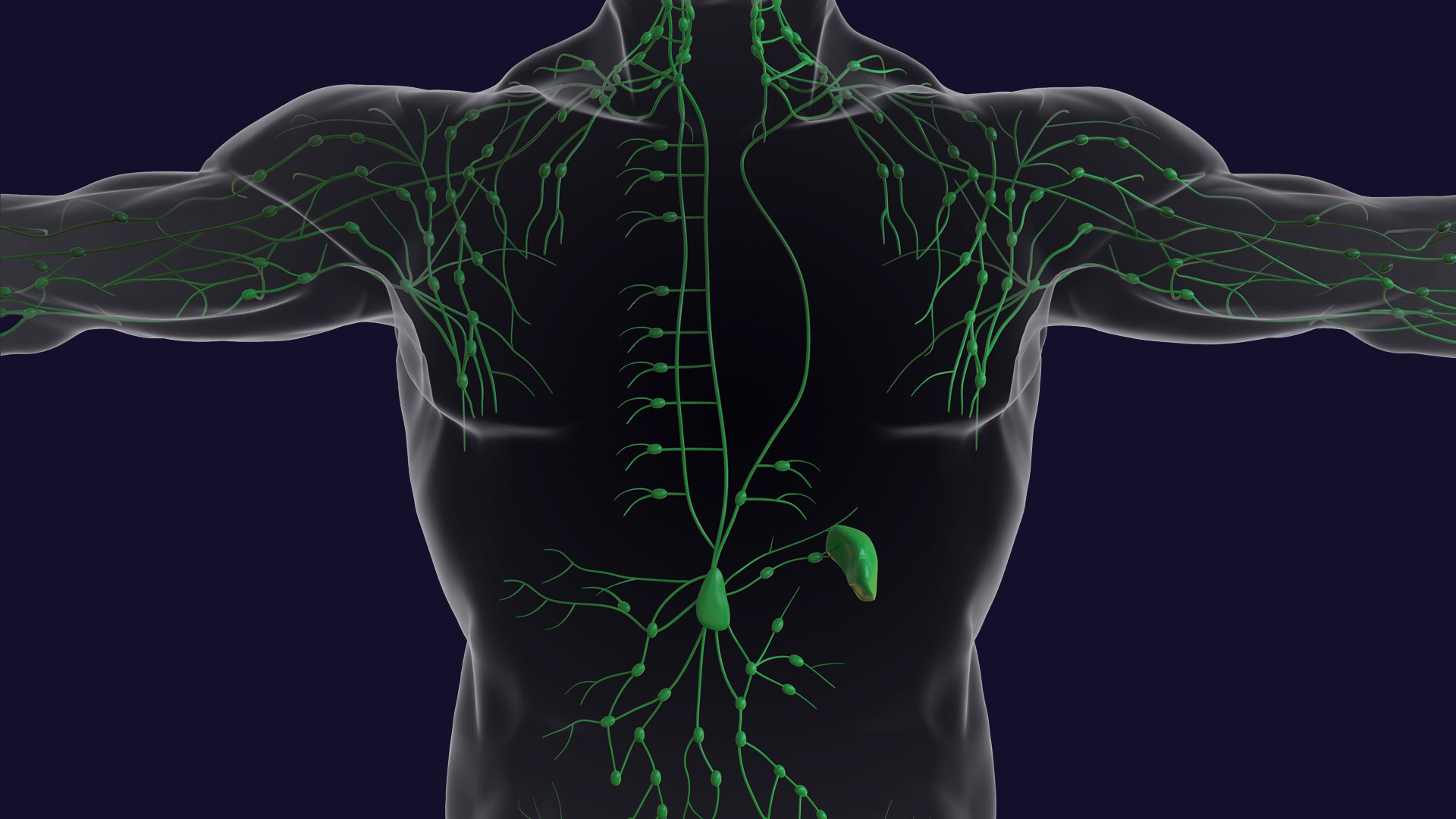
The lymphatic system is an important part of your immune system. It helps remove excess fluid, waste products and proteins from the body's tissues while transporting infection-fighting white blood cells throughout the body.
Lymph is a clear fluid that circulates through a network of vessels. Unlike blood, the lymphatic system doesn't have a pump like the heart, so it relies on muscle movement, breathing and healthy lymphatic function to keep fluid moving efficiently.
When this process slows or becomes impaired, fluid can accumulate and lead to swelling or feelings of heaviness.
What are lymph nodes?
Lymph nodes are small glands that filter lymph fluid and help the body fight infection.
Many people are familiar with the lymph nodes in the:
- Neck
- Armpits
- Groin
However, lymph nodes are found throughout the body, including around the elbows, wrists, chest, abdomen, knees and ankles. These nodes work together as part of an extensive drainage network.
Who can benefit from Manual Lymphatic Drainage?
Manual Lymphatic Drainage is commonly recommended for people experiencing:
- Lymphoedema
- Lipoedema
- Swelling following surgery
- Swelling after injury or trauma
- Persistent fluid retention
Many people may also benefit if they experience:
- A feeling of heaviness in the arms or legs
- Mild swelling around the ankles by the end of the day
- Clothing or socks leaving noticeable marks on the skin
- Bloating
- Sluggish digestion or gastrointestinal discomfort
Every person is different, so your therapist will assess whether Manual Lymphatic Drainage is appropriate for your individual presentation and goals.
How often should I have lymphatic drainage?
Treatment frequency depends on your condition and symptoms.
For lymphoedema or lipoedema
People with chronic or more significant swelling often benefit from weekly treatments initially. As symptoms improve, appointments can usually be spaced further apart based on your response.
For mild swelling, bloating or digestive concerns
A common treatment approach is:
- Weekly treatments to begin
- Progressing to fortnightly appointments
- Then monthly maintenance sessions if appropriate
Your therapist will recommend a treatment plan based on your individual needs.
How can I reduce swelling at home?
There are several simple strategies that may help support healthy lymphatic flow between treatments.
Keep moving
Gentle movement encourages lymphatic circulation. Walking, marching on the spot and simple arm and hand pumping exercises can all help.
Stay hydrated
Your body needs adequate fluid to move fluid efficiently. Drinking enough water throughout the day supports normal lymphatic function.
Gentle self-massage
Your therapist can demonstrate safe self-massage techniques that encourage lymph flow. These generally involve gentle strokes directed towards nearby lymph nodes rather than deep pressure.
Elevate affected limbs
Where appropriate, elevating swollen arms or legs may help reduce fluid accumulation.
Wear compression garments
For some conditions, particularly lymphoedema, compression garments may be recommended as part of an overall management plan. Your therapist or healthcare team can advise whether these are suitable for you.
When should you seek medical attention?
Swelling is not always caused by lymphatic dysfunction and, in some situations, requires urgent medical assessment.
Seek prompt medical attention if you experience:
- Sudden swelling without an obvious injury
- Swelling with a history of deep vein thrombosis (DVT) or blood clots
- Redness, heat and severe pain
- Fluid leaking from the skin
- Wounds or injuries that are not healing
These symptoms should always be assessed by a medical professional before seeking massage treatment.
Book a Manual Lymphatic Drainage appointment
If you're experiencing swelling, fluid retention, lymphoedema, lipoedema or are recovering from surgery, Manual Lymphatic Drainage may form part of your overall management plan.
At Rapid Recovery Clinic, our experienced therapists provide Manual Lymphatic Drainage following a thorough assessment to determine whether treatment is appropriate for your individual needs.
Book an appointment online or contact your nearest Rapid Recovery Clinic to learn whether Manual Lymphatic Drainage is right for you.