
Tennis Elbow and Golfer’s Elbow: causes, symptoms and treatment
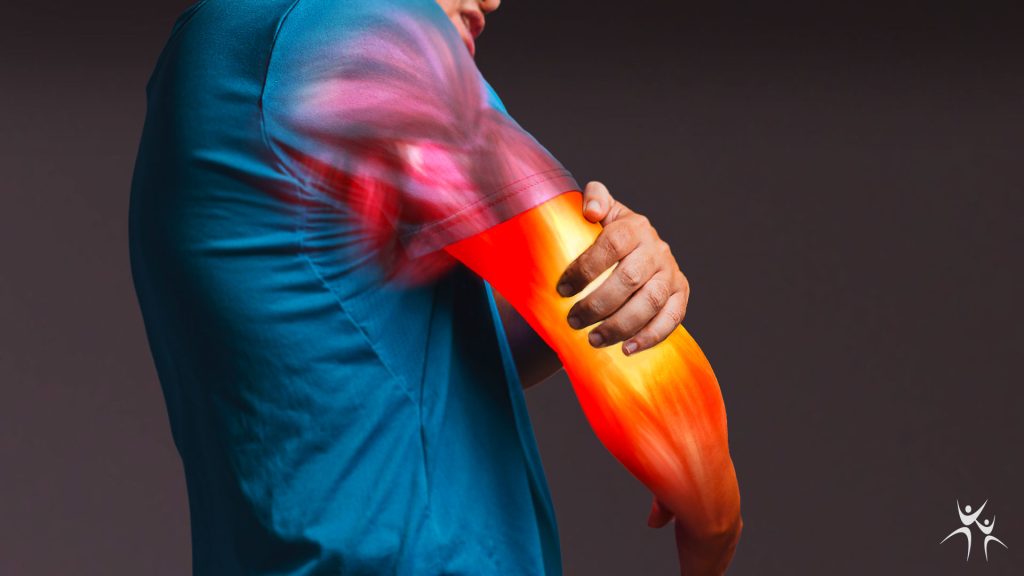
That nagging pain in your elbow isn't something you should ignore. Whether it's affecting your grip strength, making work uncomfortable, or stopping you from enjoying sport, Tennis Elbow and Golfer's Elbow are two of the most common causes of elbow pain.
Despite their sporting names, you don't need to play tennis or golf to develop these conditions. In fact, they're often seen in tradespeople, office workers, gardeners, gym-goers and anyone whose work or hobbies involve repetitive gripping, lifting, twisting or wrist movements. Over time, these repeated actions can place excessive strain on the tendons around the elbow, leading to pain, weakness and reduced function.
The good news? With the right treatment and rehabilitation plan, most people can make a full recovery and get back to doing what they love.
Tennis elbow is also known as Lateral Epicondylitis. This means that there is inflammation around part of the humerus called the Lateral Epicondyle. This is located just above your elbow, it is an important site for muscle attachment. One of the main muscles that attach to this spot is a forearm extensor muscle called extensor carpi radialis brevis. This muscle is important for wrist extension and stabilisation.
Tennis elbow is caused by repetitive movements such as forehands and backhands while playing tennis, it is also common in painters, carpenters and plumbers. These repetitive movements can cause tightness in this muscle and potentially small tear in the tendon that attaches the muscle to bone. This results in you experiencing pain on the outside of your elbow.
Golfers’ elbow or Medial Epicondylitis is similar to tennis elbow in many ways. It just affects the other side of the elbow and is caused by the overuse of different muscles, therefore has slightly different movements that cause it. There are multiple muscles that can cause the tightness that results in the straining of the common flexor tendon which attaches to the medial epicondyle of the humerus.
Golfers' elbows are also caused by repetitive movements, however they are slightly different movements to the ones that cause tennis elbow. These movements include the down swing in golf, a tennis serve and any throwing actions (most commonly baseball pitching). People who do a trade that involves repetitive movements such as painters, plumbers and carpenters. The same as with tennis elbow, these repetitive movements cause muscle tightness and small tears or irritation of the tendon attaching the muscle to the bone on the inside of your elbow and causing pain.
Preventing and treating Tennis Elbow and Golfer's Elbow
The most effective way to prevent Tennis Elbow (Lateral Epicondylitis) and Golfer's Elbow (Medial Epicondylitis) is to reduce or avoid the repetitive movements that contribute to these conditions. However, for many people, that's simply not realistic. Whether it's your job, your sport, gardening, gym training, or everyday activities, repetitive strain is often difficult to avoid.
Fortunately, there are several strategies that can significantly reduce your risk of developing these painful overuse injuries and help manage symptoms if you're already experiencing elbow pain.
Prevention is always better than treatment
When it comes to preventing Tennis Elbow and Golfer's Elbow, proper technique is critical. Whether you're swinging a tennis racquet, lifting weights, using tools at work, or spending hours on a computer, poor movement patterns can place excessive stress on the muscles, tendons and joints around the elbow.
Improving technique helps distribute load more effectively, reducing unnecessary strain on the forearm tendons and lowering the risk of injury.
Another key component of prevention is building strength in the forearm and wrist muscles. Stronger muscles are better able to absorb and manage the repetitive forces that commonly lead to tendon irritation and degeneration. A targeted strengthening program can improve resilience and help protect against future flare-ups.
How osteopathy can help Tennis Elbow and Golfer's Elbow
If prevention strategies haven't been enough and you're dealing with ongoing elbow pain, osteopathic treatment can play an important role in your recovery.
Treatment is typically aimed at reducing tension in the forearm muscles, improving movement through the elbow, wrist and surrounding joints, and decreasing the load placed on the affected tendon. Hands-on techniques may be combined with personalised stretching and strengthening exercises to support healing and restore function.
In some cases, an elbow brace or support strap may also be recommended. These can help reduce stress on the irritated tendon during work, sport or other activities that would normally aggravate symptoms.
Don't ignore persistent elbow pain
The sooner Tennis Elbow or Golfer's Elbow is addressed, the easier it is to manage. If you're experiencing ongoing elbow pain, weakness, reduced grip strength, or discomfort during daily activities, seeking professional assessment and treatment can help prevent the condition from becoming chronic.
At Rapid Recovery, our osteopaths can assess the underlying cause of your elbow pain and develop a personalised treatment plan to help you get back to doing the things you enjoy.