
Tendinopathy treatment
Understanding tendon pain and how to recover
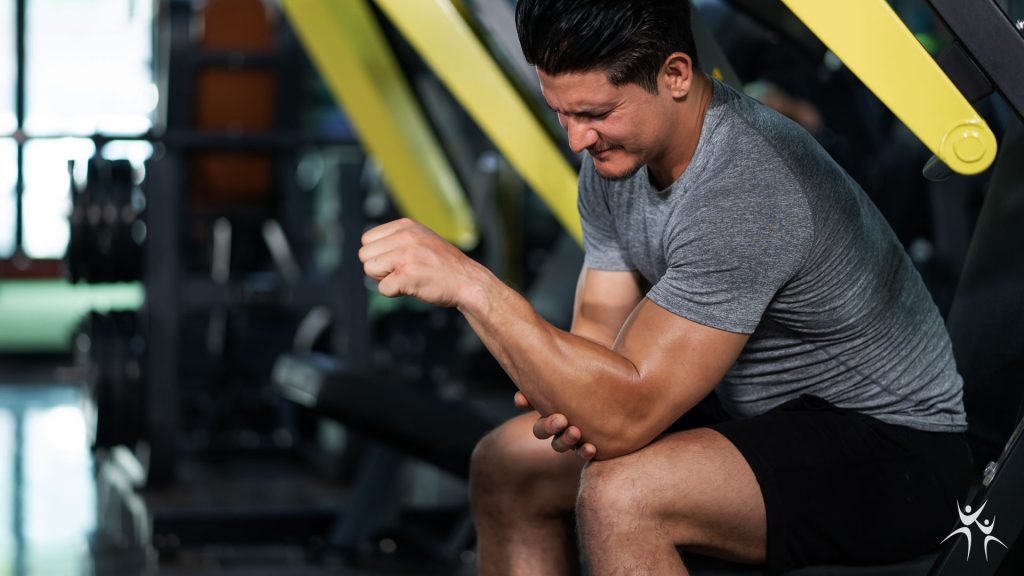
If you've been living with persistent tendon pain that just won't go away, you may be dealing with tendinopathy. Unlike a short-term injury, tendinopathy is a chronic tendon condition that can cause ongoing pain, stiffness, weakness, and reduced function, making everyday activities more difficult.
At Rapid Recovery, Senior Myotherapist Stacey Ponton regularly treats clients experiencing tendinopathy and helps them return to the activities they enjoy through evidence-based treatment and rehabilitation.
What is Tendinopathy?
Tendinopathy is a condition affecting the tendons—the strong connective tissues that attach muscles to bones. While many people refer to tendon pain as 'tendinitis', tendinopathy is different.
Tendinitis typically refers to acute inflammation of a tendon. Tendinopathy, however, is usually the result of tendon degeneration or failed healing caused by repetitive strain, overuse, or inappropriate loading over time.
Rather than being an inflammatory condition, tendinopathy involves structural changes within the tendon, including:
- Disorganisation of collagen fibres
- Increased ground substance within the tendon
- Development of new but weaker blood vessels
- Reduced ability of the tendon to tolerate load
These changes can lead to ongoing pain and dysfunction if left untreated.
Common symptoms of Tendinopathy
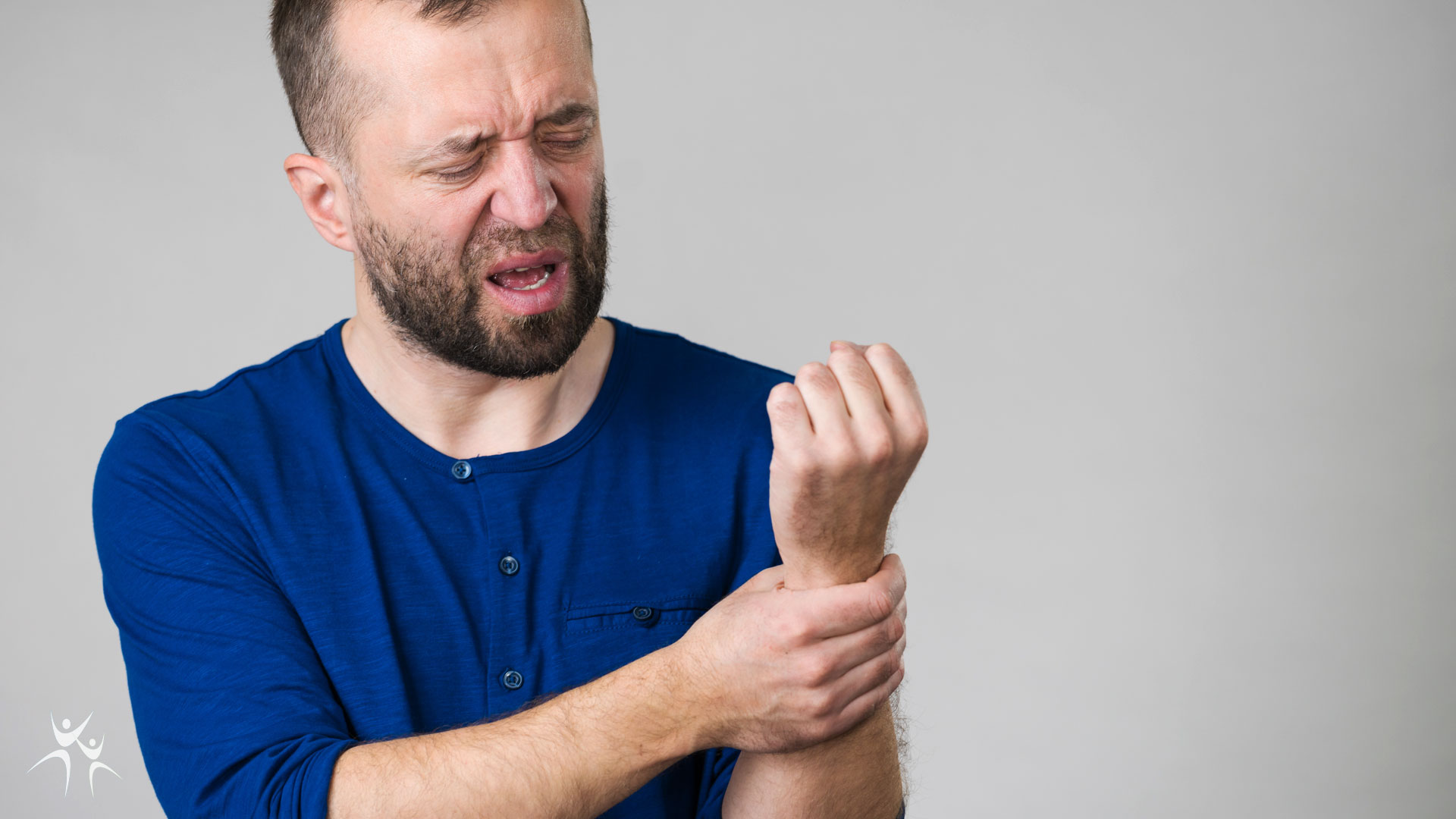
Tendinopathy symptoms often develop gradually and may include:
- A constant ache or throbbing sensation
- Morning stiffness and soreness that eases as you move throughout the day
- Sharp pain during certain movements
- Weakness when lifting, gripping, or performing daily tasks
- Reduced strength and function
- Localised tenderness over the affected tendon
Many people notice symptoms worsening after repetitive activities or exercise and improving temporarily with rest.
Common areas affected by Tendinopathy
At Rapid Recovery Stacey commonly treats tendinopathy in the:
-
Tennis Elbow (Lateral Elbow Tendinopathy)
One of the most common presentations, often affecting people who perform repetitive gripping, lifting, carrying, or manual work. It's also frequently seen in tennis players and racquet sport athletes.
-
Wrist Extensor Tendinopathy
Often associated with repetitive hand and wrist movements, prolonged computer use, lifting tasks, or sports involving repeated gripping.
-
Gluteal Tendinopathy
A common cause of hip pain, particularly in runners, active adults, and people who spend long periods standing or walking.
-
Other common tendon injuries include:
- Achilles tendinopathy
- Patellar tendinopathy (jumper's knee)
- Rotator cuff tendinopathy in the shoulder
What causes Tendinopathy?
Tendinopathy is most commonly caused by:
- Repetitive mechanical stress
- Overuse injuries
- Sudden increases in training or activity levels
- Poor biomechanics or movement patterns
- Occupational tasks involving repeated lifting, gripping, or carrying
- Sports requiring repetitive movements such as tennis, golf, cricket, or racquet sports
Athletes, tradespeople, office workers, and anyone performing repetitive movements can be at risk.
How is Tendinopathy diagnosed?
A thorough clinical assessment is usually the most important step in diagnosing tendinopathy.
In some cases, diagnostic imaging such as ultrasound or MRI may be recommended. These scans can identify tendon thickening, structural changes, and degeneration within the affected tendon.
Effective treatment for Tendinopathy
Successful treatment focuses on improving tendon health, reducing pain, and gradually restoring the tendon's ability to tolerate load.
1. Load management
One of the most important aspects of recovery is identifying and modifying the activities contributing to the condition.
This doesn't mean complete rest. In fact, prolonged rest can often make tendon health worse. Instead, activities are adjusted to reduce irritation while allowing the tendon to continue receiving appropriate loading.
2. Hands-on treatment
Manual therapy can help reduce pain, improve tissue quality, and support recovery.
Stacey often uses:
-
- Remedial massage
- Soft tissue therapy
- Dry needling
In many tendinopathy cases, particularly around the elbow and wrist, dry needling can be highly effective in reducing pain and assisting recovery.
3. Eccentric strengthening exercises
Research consistently supports eccentric strengthening as a cornerstone of tendinopathy rehabilitation.
These exercises involve slowly lengthening the muscle under load, helping stimulate tendon remodelling and improve strength.
4. Isometric strengthening
Isometric exercises can help reduce pain while maintaining strength and tendon capacity during the early stages of rehabilitation.
5. Addressing biomechanics
Underlying movement patterns often contribute to tendon overload.
Depending on the presentation, treatment may include addressing:
-
- Posture
- Movement mechanics
- Exercise technique
- Workplace ergonomics
- Footwear and lower limb alignment
Correcting these contributing factors can significantly reduce the likelihood of recurrence.
Additional treatment options
In some cases, additional interventions may be considered, including:
- Shockwave therapy
- Dry needling
- Corticosteroid injections
- Platelet-rich plasma (PRP) injections
However, evidence for some injection-based treatments remains mixed and should be discussed with your healthcare provider.
When is surgery needed?
Surgery is rarely the first option for tendinopathy and is generally reserved for persistent cases that have not responded to comprehensive conservative treatment over several months.
Don't let tendon pain become a long-term problem
The earlier tendinopathy is identified and treated, the better the outcome is likely to be. Persistent tendon pain is not something you simply have to live with.
If you're experiencing ongoing elbow pain, wrist pain, hip pain, or any other tendon-related issue, Stacey can help identify the cause and develop a personalised treatment plan to get you moving comfortably again.
Book an appointment
If this sounds like what you're experiencing, book an appointment with Stacey today. Together, we'll assess the problem, address the underlying cause, and create a treatment plan designed to help you return to your normal activities with confidence.