
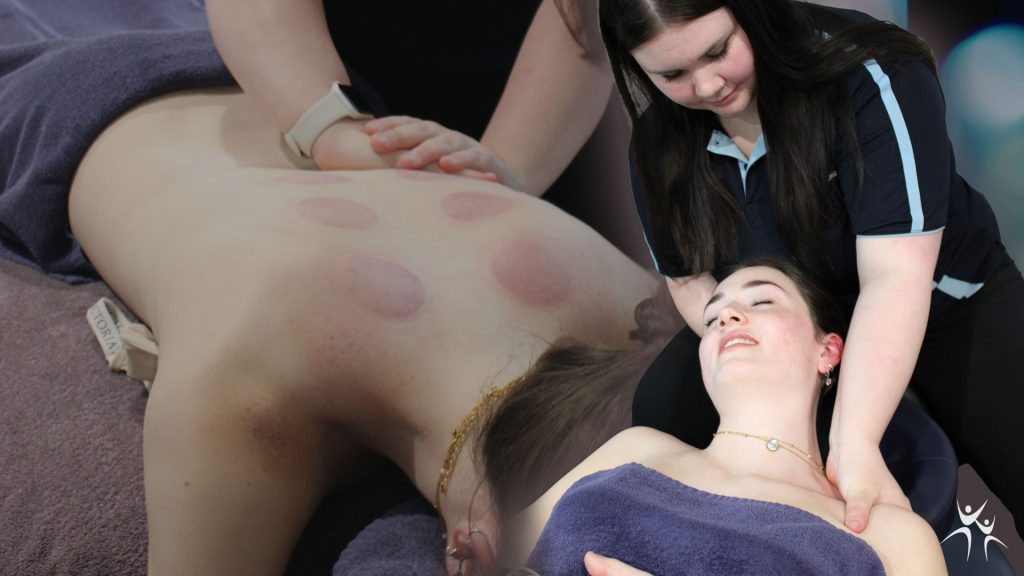
Shoulder tension and upper back pain: How Remedial Massage may help
Understanding muscular tension and finding ways to move more comfortably
Do your shoulders often feel tight, heavy or uncomfortable? Perhaps you notice tension between your shoulder blades after a long day at work, or your upper back feels stiff after spending hours sitting at a desk.
Shoulder tension and upper back discomfort are common complaints. They can develop gradually through repetitive activities, changes in physical workload, exercise or prolonged periods in one position.
The shoulder and upper back are complex areas involving multiple muscles, joints, tendons and supporting structures. Understanding what may be contributing to your discomfort is important when deciding on the most appropriate approach to care.
As a remedial massage therapist at Rapid Recovery, Lucy O'Brien regularly sees people experiencing muscular tension through the shoulders and upper back. Where soft tissue sensitivity is contributing to discomfort, remedial massage may form part of an individual's approach to managing their symptoms.
Let's explore some common contributing factors and how massage may help.
Why do shoulders become tight?
The shoulders are involved in many everyday activities, from reaching and lifting to driving, working at a computer and exercising.
Because these muscles are constantly involved in movement and stabilisation, changes in workload or repetitive activity can sometimes contribute to muscular discomfort.
Some common contributing factors include:
- Prolonged sitting: Spending extended periods at a desk or workstation may contribute to discomfort through the neck, shoulders and upper back.
- Repetitive movements: Repeated reaching, lifting or overhead activities can increase the demands placed on the shoulder muscles.
- Exercise and training: Sudden increases in gym activity, unfamiliar exercises or inadequate recovery may contribute to muscular soreness.
- Physical work: Jobs involving lifting, carrying or repetitive upper-body movements can place additional demands on the shoulders.
- Stress: Periods of stress may be associated with increased muscle tension and sensitivity.
- Reduced movement: Remaining in one position for extended periods may contribute to feelings of stiffness and discomfort.
It's important to remember that there is no single perfect posture that everyone needs to maintain. Regular movement, comfortable working positions and variation throughout the day are generally more practical than trying to hold the body rigidly in one position.
Understanding the muscles around your shoulders and upper back
Several muscle groups work together to support shoulder movement and upper-body function.
Some of the areas that may be involved in muscular tension include:
Upper trapezius: Extending from the neck towards the shoulders, this muscle helps support and move the shoulder blades. It can become sensitive or uncomfortable when the surrounding area is overloaded.
Levator scapulae: This muscle connects the upper cervical spine to the shoulder blade and contributes to shoulder blade movement. Discomfort in this region is sometimes described as tightness along the side or back of the neck.
Rhomboids: Located between the shoulder blades and spine, these muscles help control shoulder blade movement.
Pectoral muscles: Located across the front of the chest, these muscles contribute to shoulder movement and can be involved in upper-body discomfort.
These muscles work together with other structures to support normal movement. However, shoulder pain is not always muscular. Joint conditions, tendon irritation, nerve involvement and previous injuries can also contribute to symptoms.
How can Remedial Massage help with shoulder tension?
When muscular tenderness or soft tissue sensitivity contributes to shoulder discomfort, remedial massage may help manage symptoms and support comfortable movement.
Depending on your individual presentation, treatment may involve:
- Soft tissue techniques targeting areas of muscular tenderness.
- Massage around the upper trapezius and shoulder blade region.
- Techniques addressing the pectoral and posterior shoulder muscles.
- Gentle movement to explore comfortable shoulder mobility.
- Advice on movement, recovery and activity modification.
The techniques used will depend on your symptoms, health history and treatment goals.
A remedial massage therapist should also consider whether your symptoms suggest that further assessment is required before proceeding with treatment.
What about upper back pain?
Upper back discomfort can develop for many of the same reasons as shoulder tension.
The thoracic spine, which forms the middle and upper section of the back, works with the rib cage, shoulder blades and surrounding muscles to support movement and stability.
People experiencing upper back discomfort may describe:
- Tightness between the shoulder blades.
- Muscular tenderness across the upper back.
- Stiffness after prolonged sitting.
- Discomfort when reaching or rotating the upper body.
- Tension extending towards the neck or shoulders.
Not all upper back and shoulder pain comes from the muscles. Sometimes nerves, joints or other structures may be involved. Symptoms such as persistent tingling, numbness or weakness should be assessed by an appropriate healthcare professional.
What happens during a Remedial Massage appointment?
If you're experiencing shoulder or upper back discomfort, your appointment should begin with a discussion about your symptoms, health history and daily activities.
Your therapist may ask:
- Where are you experiencing discomfort?
- When did it begin?
- Are there particular movements or activities that aggravate it?
- Have you experienced a previous injury?
- Are you experiencing any other symptoms, such as tingling, numbness or weakness?
This information helps your therapist consider whether remedial massage is appropriate and which areas may need attention.
Treatment is individualised, with techniques and pressure adjusted to your comfort and presentation.
The goal is to address muscular discomfort where appropriate, while recognising when symptoms may require assessment by another healthcare professional.
Simple ways to look after your shoulders and upper back
What you do between appointments can also play a role in supporting comfortable movement.
Here are some practical strategies to consider.
Move throughout the day. Break up long periods of sitting with short movement breaks. Even changing positions regularly can help reduce the discomfort associated with remaining static.
Vary your activities. If your work involves repetitive lifting, reaching or computer use, look for opportunities to change tasks or adjust your working position.
Build strength gradually. Appropriate exercises for the upper back, shoulders and surrounding muscles can help develop strength and physical capacity.
Allow time for recovery. If you have increased your gym training or physical workload, make sure you allow adequate time to recover between demanding activities.
Pay attention to recurring discomfort. If the same activities repeatedly aggravate your symptoms, consider seeking advice about modifying your workload or exercise routine.
Avoid forcing painful movements. Gentle movement within comfortable limits is often preferable to pushing through significant discomfort.
When should you seek further assessment?
While remedial massage may be appropriate for some types of muscular discomfort, persistent or unexplained shoulder and upper back pain should not automatically be assumed to be muscular.
Seek assessment from an appropriate healthcare professional if you experience significant weakness, persistent numbness or tingling, substantial loss of movement or pain following an injury.
Sudden chest pain, difficulty breathing or shoulder and upper back pain accompanied by symptoms such as sweating, nausea or dizziness requires urgent medical attention.
If you are unsure whether massage is appropriate, speak with your GP or another suitable healthcare professional.
Supporting your upper body health
Shoulder tension and upper back discomfort can affect everything from working at a computer to lifting, exercising and enjoying everyday activities.
Understanding the potential contributing factors is an important part of managing these symptoms.
Where muscular tension and soft tissue sensitivity are involved, remedial massage may form part of a broader approach to managing discomfort and supporting comfortable movement.
At Rapid Recovery, we believe good care starts with understanding the individual. Your treatment should reflect your symptoms, activities and needs, with consideration given to whether additional assessment or support may be appropriate.
Our aim is to help you better understand your body, manage muscular discomfort where appropriate and keep moving with confidence.
Experiencing shoulder tension or upper back discomfort?
Our Remedial Massage therapists at Rapid Recovery take the time to understand your symptoms, daily activities and treatment goals. Whether your discomfort is associated with desk work, physical activity or everyday demands, we can help you explore appropriate treatment options.
Book a Remedial Massage appointment at our Healesville, Seville or Ferntree Gully clinics.