
Concussion: Symptoms, recovery & treatment – what you need to know
A concussion can happen during sport, at work, in a motor vehicle accident or even after a simple fall. While many people recover well, concussion is a brain injury that should never be ignored. Knowing the signs, getting the right assessment and understanding how to manage your recovery can help reduce complications and support a safe return to work, study and sport.
What is a Concussion (Mild Traumatic Brain Injury)?
A concussion is a mild traumatic brain injury (mTBI) caused by a force to the head, neck or body that results in the brain moving rapidly within the skull. Contrary to popular belief, you do not have to lose consciousness or sustain a direct blow to the head to experience a concussion.
A simple explanation
Your brain is a soft organ suspended in fluid inside your skull. When your head or body experiences a sudden impact or rapid movement, the brain can move and rotate within the skull. This temporary movement changes the way brain cells communicate with one another, which can lead to symptoms such as headaches, dizziness, difficulty concentrating and fatigue.
Although concussion is considered a mild brain injury, it should always be taken seriously and assessed appropriately.
A more detailed medical explanation
Following a concussion, rapid acceleration and rotational forces temporarily disrupt normal brain function. These forces stretch nerve cells and alter the movement of ions across cell membranes, creating changes in brain metabolism and communication between neurons. This results in a temporary energy imbalance, where the brain requires more energy while blood flow is briefly reduced.
These functional changes are responsible for concussion symptoms and usually occur without structural damage visible on standard CT or MRI scans.
Common symptoms
Concussion symptoms vary from person to person and may appear immediately or develop over the following 24 to 48 hours.
Physical symptoms
- Headache
- Dizziness
- Blurred or double vision
- Balance problems
- Nausea or vomiting
- Neck pain
- Fatigue
Cognitive symptoms
- Difficulty concentrating
- Feeling mentally 'foggy'
- Memory difficulties
- Slower thinking or reaction times
Sensory symptoms
- Sensitivity to light
- Sensitivity to noise
- Difficulty tolerating busy environments
Emotional symptoms
- Irritability
- Anxiety
- Feeling more emotional than usual
- Low mood
Sleep symptoms
- Sleeping more or less than usual
- Difficulty falling asleep
- Disturbed sleep
Less common symptoms may include changes in taste or smell, behavioural changes such as increased aggression or impulsivity, or other changes in normal behaviour. If you're concerned about any symptoms following a head injury, seek advice from a healthcare professional.
When should you seek urgent medical attention?
While most concussions recover without complications, some symptoms can indicate a more serious brain injury requiring emergency medical assessment.
Seek immediate medical attention if you experience:
- Severe or worsening neck pain
- Increasing confusion, agitation or unusual behaviour
- Repeated vomiting
- Seizures
- Weakness, numbness or tingling in the arms or legs
- Difficulty waking or increasing drowsiness
- A severe or progressively worsening headache
- Significant changes in vision
- Difficulty speaking or walking
If you're unsure whether your symptoms require urgent assessment, it's safest to seek medical advice promptly.
How is a Concussion assessed?
A concussion is diagnosed through a detailed clinical assessment rather than a scan alone. Your healthcare professional may assess:
- How the injury occurred
- Your current symptoms
- Memory and concentration
- Balance and coordination
- Eye movements and vision
- Neurological function
- Your neck (cervical spine)
CT or MRI scans are not routinely required to diagnose concussion but may be recommended if a more serious brain injury is suspected.
Concussion treatment and recovery
Current international guidelines recommend 24 to 48 hours of relative rest following a concussion. This means avoiding activities that significantly worsen symptoms while continuing gentle daily activities as tolerated.
After this initial period, most people benefit from gradually returning to normal activities under the guidance of an appropriately qualified healthcare professional.
Returning to work or study
Temporary adjustments can make returning to work or study more comfortable, including:
- Shorter work or study sessions
- Regular breaks
- Reduced screen time if symptoms increase
- Working in quieter environments
- Gradually increasing mental demands as symptoms improve
Exercise after a Concussion
After the first 24 to 48 hours, light aerobic exercise such as walking or stationary cycling may be introduced if symptoms remain mild and settle shortly after activity.
Exercise should be progressed gradually and tailored to your individual symptoms and recovery.
Supporting Your Recovery
Recovery may also be supported by:
- Prioritising good quality sleep
- Staying well hydrated
- Eating regular nutritious meals
- Limiting alcohol
- Pacing physical and mental activities
- Avoiding another head injury during recovery
Can an Osteopath help after a Concussion?
A concussion is a brain injury that should always be appropriately assessed. Osteopathic care does not replace emergency medical assessment or medical management where this is required.
Many people also experience neck pain, headaches, muscle tension or reduced neck movement following a concussion.
Some osteopaths, including Dr Mitch Pontefract, have completed additional postgraduate training in concussion assessment. Where appropriate, this may assist in assessing people with suspected concussion and managing associated musculoskeletal symptoms following their injury.
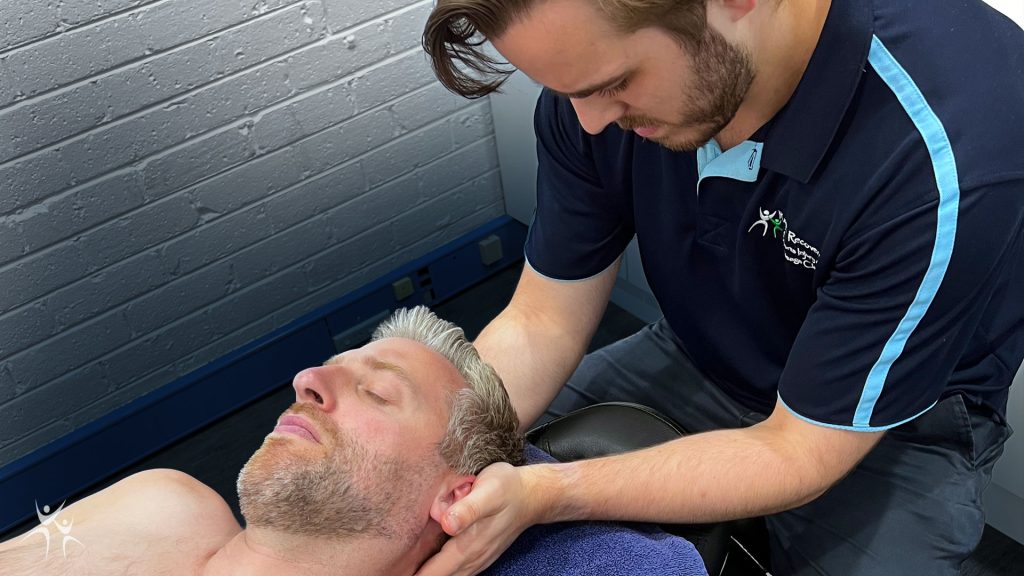
Treatment may include hands-on care, movement advice, education and exercises to address neck pain or stiffness where clinically appropriate. Care is provided alongside your GP, sports physician or other members of your healthcare team when required.
When should you see an Osteopath after a Concussion?
Once you've been medically assessed and serious injury has been ruled out, you may benefit from seeing an osteopath if you're experiencing:
- Ongoing neck pain or stiffness
- Headaches
- Muscle tension
- Reduced neck movement
- Difficulty returning to normal movement after your injury
Your osteopath can assess these musculoskeletal symptoms and, where appropriate, work collaboratively with your healthcare team to support your recovery.
Returning to sport after a Concussion
Returning to sport before fully recovering may increase the risk of further injury.
Current guidelines recommend progressing through a graduated return-to-sport program under the guidance of your treating healthcare professional. Many sporting organisations also have mandatory return-to-play protocols, so it's important to follow your club or league's requirements.
A typical progression involves:
- Relative rest and activities of daily living
- Light aerobic exercise
- Sport-specific exercise without contact
- Non-contact training drills
- Full-contact practice when appropriate
- Return to competition
If symptoms return during any stage, activity should be reduced until symptoms settle before progressing further.
Frequently asked questions
Can I sleep after a concussion?
Yes. Current medical advice no longer recommends staying awake after a concussion. Once you've been medically assessed and serious injury has been ruled out, sleep is an important part of recovery. If symptoms worsen significantly or you're difficult to wake, seek urgent medical attention.
How long does concussion recovery take?
Most adults recover within two to four weeks, although recovery varies from person to person. Children, adolescents and some adults may take longer. If symptoms persist, further assessment may be recommended.
Do I need a CT scan?
Not everyone with a concussion requires a CT scan. CT scans are primarily used to identify more serious brain injuries rather than diagnose concussion itself. Your healthcare professional will determine whether imaging is appropriate.
Can I exercise after a concussion?
Yes—but timing is important. After the initial 24 to 48 hours of relative rest, light aerobic exercise may be recommended provided it doesn't significantly worsen symptoms. Your healthcare professional can advise when it's appropriate to progress your activity.
Recovering from a Concussion
Most people recover well following a concussion, but recovery looks different for everyone. Recognising concussion symptoms early, seeking appropriate assessment and following current medical advice can help support a safe recovery.
If you've experienced a concussion and are continuing to experience neck pain, headaches or reduced neck movement after appropriate medical assessment, Dr Mitch Pontefract can assess your musculoskeletal symptoms and, where appropriate, work alongside your healthcare team to support your recovery.