

Most running injuries are preventable — find out how
The big prevention mistakes runners make
Too much, too soon - Ramping up mileage or intensity faster than your tissues can adapt is the single biggest driver of overuse injury. The 10% rule (increasing weekly loudly no more than 10%) exists for good reason.
Skipping recovery - Tendons, muscles, and joints get stronger during rest, not during the run itself. Inadequate sleep and back-to-back hard sessions leave your body no time to adapt.
Ignoring footwear - Worn-out shoes lose their structure long before they look obviously old. Most running shoes need replacing around 600–800km. Running in the wrong shoe for your gait can quietly load the wrong structures.
Weak foundations - Running is a single-leg sport. If your glutes, hips, and calves aren't strong enough to control load through each stride, something else has to compensate — and that's usually where the injury shows up.
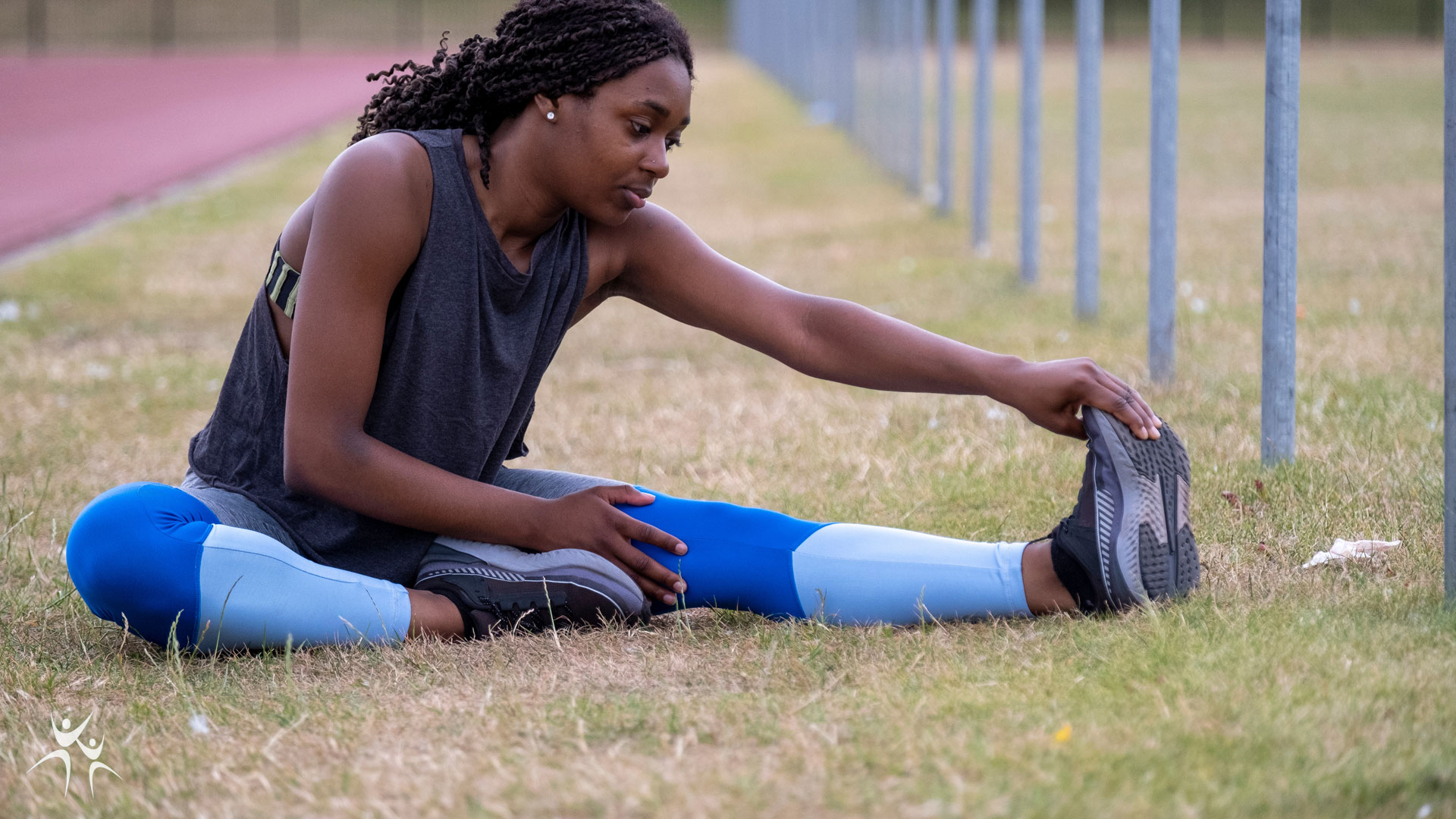
What actually works?
Prevention isn't complicated but it does require consistency. A few things that make a meaningful difference:
- Strength training - Two sessions a week targeting the hips, glutes and single leg stability is one of the most evidence supported ways to reduce running injury risk. You don't need a gym - bodyweight exercises done consistently are highly effective.
- Listening to early signals - Mild soreness that warms up and disappears is generally fine. Pain that persists during a run, gets worse with activity, or is present the morning after - that's your body asking you to pay attention. The runners who stay healthy long-term are the ones who respond early rather than pushing through.
- Varying your surfaces and speeds - The same repetitive load on the same tissue, day after day, is a recipe for overuse. Mixing up terrain and effort keeps your body adapting rather than accumulating strain.
- Getting a movement assessment - Many runners have subtle biomechanics patterns such as hip drop, overstriking, and poor ankle mobility that they're completely unaware of. A trained eye can identify these early and address them before they cause a problem.
When to see an osteopath
You don't need to wait until you're injured. An osteopath can assess how your body is moving, identify areas of tension or weakness that might be loading the wrong structures, and give you a specific plan to address them whether that's hands-on treatment, targeted exercises, or load management advice.
If you are already managing a niggling pain or a recurring injury, earlier intervention almost always means a faster return to running. The longer a pattern persists, the more the body compensates around it and those compensations create their own problems.
Looking after your body before it breaks down is always easier than rebuilding it after the fact. If you're a runner, whether you're training for an event or just getting out a few times a week, it's worth having a conversation about what's working and what might be quietly accumulating.