Myotherapy in Healesville, Seville & Ferntree Gully
If you’re dealing with tightness, pain, restricted movement, or an injury that just won’t settle, Myotherapy is a great option — especially if you’re looking for a more hands-on, muscle-focused alternative to physiotherapy.
Most people hear “physio” when they think of pain or injury.
But what they often want is:
- hands-on treatment
- someone who finds the actual irritated tissues
- relief from tightness and restriction
- a clear plan they can follow
- exercises that make sense, not generic sheets
That’s exactly where Myotherapy excels.
It’s physio-style assessment meets massage-style treatment — all in one session.
What Is Myotherapy? (Explained Simply)
Myotherapy focuses on the muscles, joints, and soft tissues that are commonly responsible for pain, tightness, and restricted movement.
A Myotherapy session includes:
- a clear assessment to find what’s causing your symptoms
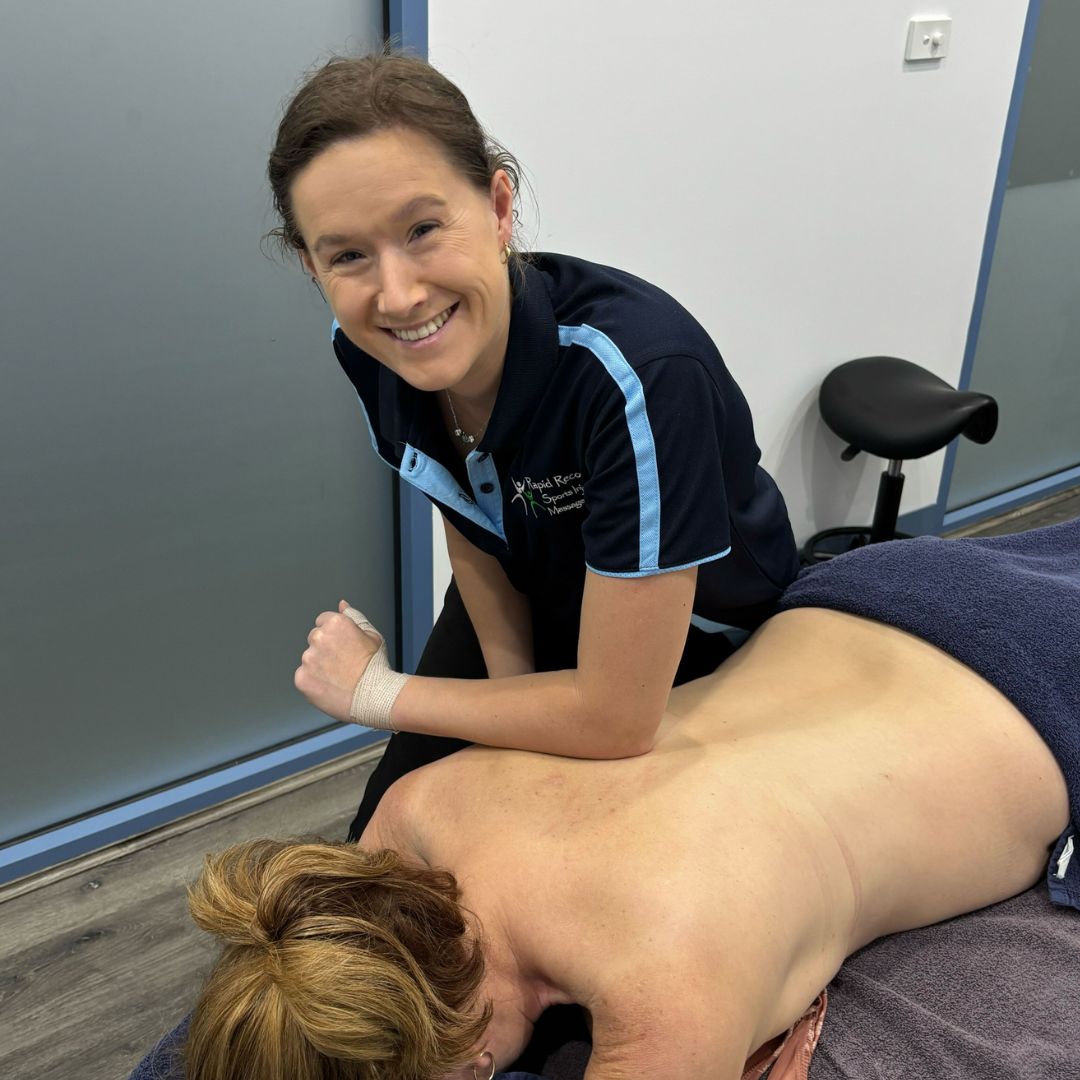
- hands-on treatment targeted at the affected area
- treatment to surrounding tissues that may be compensating
- strategies to help the area settle
- optional tools like dry needling, cupping or mobilisation
- corrective exercises (if useful)
If you’ve ever walked into a physio appointment expecting hands-on treatment and didn’t get it, Myotherapy is exactly what people often look for instead.
Why People Choose Myotherapy Over Physiotherapy
Physiotherapy is fantastic for post-surgical rehab, structured exercise programs, and medical management.
But many physio clinics don’t offer much hands-on treatment anymore.
People choose Myotherapy when they want:
- immediate hands-on treatment
- targeted work on tight or irritated tissues
- a practical explanation of what’s going on
- techniques like dry needling, cupping or massage
- a blend of relief + movement support
- someone who actually works on the area that hurts
Myotherapists specialise in soft tissue, movement, biomechanics, and hands-on care — making Myo a great choice for pain, tightness, or injury that’s coming from muscles or movement patterns.
You’re not choosing between “physio or myo” — you’re choosing what style of care suits your body and your goals.
What Myotherapists Treat
Myotherapy is commonly used for:
- back pain
- neck pain & tension headaches
- workplace or postural pain
- shoulder, hip & knee pain
- tendinopathies
- sports injuries
- foot and leg pain
- chronic tightness
- fibromyalgia & chronic fatigue presentations
- sacroiliac discomfort
- overuse injuries
- muscle strains
- restricted movement
If it feels tight, sore, stiff, or overloaded — Myo is usually a great fit.
How Myotherapy Helps
Myotherapy can support you by:
- reducing muscle tension
- improving movement and flexibility
- helping irritated tissues settle
- supporting injury recovery
- reducing compensations that keep issues coming back
- improving confidence in movement
- enhancing sporting or work performance
Your Myotherapist will explain what they find and tailor treatment to your comfort and goals.
Our Approach to Myotherapy
Every session follows a clear structure:
1️⃣ Understand What’s Going On
We assess movement, irritability, and contributing factors like load, posture, or technique.
2️⃣ Treat the Area + What’s Connected to It
Hands-on treatment where you feel it, plus the tissues influencing it.
3️⃣ Support Your Recovery Between Sessions
Simple advice, stretches, or exercises — only if helpful.
4️⃣ Build Confidence & Long-Term Strength
If the issue has been recurring, we’ll identify what’s missing and help rebuild it.
This approach mirrors what people expect from physio — but with the hands-on focus that Myotherapy is known for.
Types of Treatment a Myotherapist May Use
Depending on your presentation, your therapist may use:
- myofascial dry needling
- cupping
- deep tissue or remedial massage techniques
- joint mobilisation
- stretching & muscle energy techniques
- taping
- corrective exercises
- movement retraining
- load management advice
It’s always tailored — no cookie-cutter sessions.
Myotherapy vs Remedial Massage
Myotherapy and Remedial Massage sit side-by-side at Rapid Recovery — many people even use both at different stages of their care.
Here’s the simplest way to understand the difference:
Remedial Massage
Best when you want:
- focused, hands-on treatment
- relief from tight, sore or fatigued muscles
- help loosening up areas affected by work, stress or training
- general maintenance to keep your body feeling good
It’s ideal for people who want a hands-on treatment-first approach without needing a deeper assessment or exercise component.
Myotherapy
Best when you want:
- hands-on treatment plus a more detailed assessment
- help understanding why something keeps getting irritated
- additional tools like dry needling, cupping or mobilisation
- guidance or exercises when movement or strength are part of the issue
It’s ideal when something is recurring, affecting your movement, or needs a little more problem-solving
Which should you choose?
Think of it like this:
- If you mainly feel tight, sore, stressed or restricted → Remedial Massage is perfect.
- If the pain keeps coming back or you want more assessment + planning → Myotherapy is a great next step.
Both are highly effective — they just shine in different situations.
And if you’re still unsure, we can point you in the right direction based on what’s going on for you.
Can You Claim Myotherapy?
Yes — most private health funds cover Myotherapy.
We can process this on the spot via HICAPS, or you can claim manually through your fund if you prefer.
Rapid Recovery Clinic – Healesville Osteo & Massage
Email: fixme@rapidrecoveryclinic.com.au
Rapid Recovery Clinic – Ferntree Gully Osteo & Massage
Email: fixme@rapidrecoveryclinic.com.au
Rapid Recovery Clinic – Seville Osteo & Massage
Email: fixme@rapidrecoveryclinic.com.au